
Building Positive Peer Relationships for Students Struggling with Social Anxiety
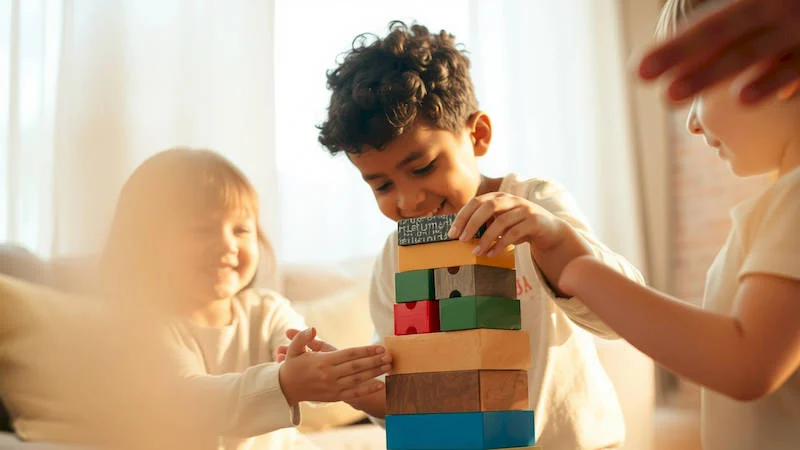
Social anxiety is increasingly prevalent among children and adolescents, impacting not just their emotional well-being but also their academic performance and overall quality of life. While many associate anxiety with shyness, it extends far beyond, manifesting as intense fear and avoidance of social situations. For students grappling with social anxiety, navigating the complexities of peer relationships can feel overwhelming. The classroom, a hub of social interaction, can become a source of significant distress. This article provides a comprehensive guide for parents and educators on understanding social anxiety and fostering positive peer connections for these students. It delves into the specific challenges they face, explores practical strategies for building social skills, and outlines ways to collaborate with schools to create a supportive environment. Addressing this issue isn’t simply about helping a child "get over" their fears, but about equipping them with the tools and confidence to engage meaningfully with their peers and thrive.
- Understanding the Landscape of Social Anxiety in School-Aged Children
- Identifying and Recognizing Social Anxiety: Beyond Shyness
- Building Social Skills: A Step-by-Step Approach
- The Role of Parents and Educators: Collaborative Support
- Cognitive Restructuring: Challenging Anxious Thoughts
- Conclusion: Empowering Students to Connect
Understanding the Landscape of Social Anxiety in School-Aged Children
Social anxiety in children isn’t simply being reserved or shy; it’s a persistent and debilitating fear of being judged negatively by others. This fear triggers a cascade of physical symptoms – racing heart, sweating, trembling, blushing – and anxious thoughts, leading the child to avoid social interactions whenever possible. According to the National Social Anxiety Center, approximately 9.1% of U.S. adults experience social anxiety disorder, and onset typically occurs in early adolescence, indicating the crucial need for early intervention during the school years. Children with social anxiety may struggle to participate in class, initiate conversations, join group activities, or even order lunch, as each interaction carries the weight of perceived scrutiny.
The root causes of social anxiety are multifaceted, often involving a combination of genetic predisposition, temperament, and learned behaviors. Experiencing negative social experiences – bullying, public humiliation, or overly critical parental feedback – can significantly contribute to the development of social anxiety. What’s often overlooked is the impact of modeling. Children might learn anxious behaviors by observing anxious parents or older siblings. Another factor is perfectionism, a common trait among anxious children, where they set unrealistically high standards for themselves and fear failure or disapproval. Recognizing these underlying factors is the first vital step in providing effective support.
For many students, the complexities of modern school life – social media pressures, competitive environments, and the constant need to "fit in" – amplify existing anxieties. The prevalence of cyberbullying adds another layer of complexity, as the potential for social scrutiny extends beyond the school day. It’s essential to acknowledge that social anxiety is not a character flaw but a legitimate mental health concern requiring understanding, empathy, and a tailored approach to support.
Identifying and Recognizing Social Anxiety: Beyond Shyness
Differentiating between typical shyness and social anxiety is crucial for appropriate intervention. While shy children might feel uncomfortable in new situations, they are generally able to function socially with familiar peers. Social anxiety, conversely, significantly interferes with a child’s ability to participate in everyday activities. Key indicators include persistent worry about social interactions for weeks or months before an event, intense fear of embarrassment or humiliation, and active avoidance of social situations, even those they previously enjoyed.
Look for subtle cues suggesting a student is experiencing social anxiety. This might include consistently avoiding eye contact, speaking very softly, clinging to a parent or teacher in social settings, or exhibiting physical symptoms like stomachaches or headaches before school. Observe the child’s behavior during group work or presentations; do they seem excessively preoccupied with how they’re being perceived? Do they struggle to contribute ideas, or do they withdraw completely? Teachers can be particularly astute observers of these patterns in the classroom. A student consistently volunteering to do individual work, avoiding group projects, or showing visible distress when called upon could be exhibiting signs of social anxiety.
It’s important to note that anxiety can manifest differently in different children. Some might be overtly anxious and withdrawn, while others might mask their anxiety through excessive talking or attempts to be the "class clown" – a strategy to divert attention from their underlying fears. A diagnostic assessment from a qualified mental health professional is the most accurate way to confirm a diagnosis of social anxiety disorder, but careful observation and open communication with the child, parents, and teachers can provide valuable insights for early support.
Building Social Skills: A Step-by-Step Approach
Once social anxiety is identified, targeted interventions focused on building social skills can be incredibly impactful. Start with small, manageable steps – overwhelming a child with grand social challenges will only exacerbate their anxiety. Begin by role-playing simple social interactions, such as greeting a classmate or asking a question in class. This provides a safe space to practice and build confidence without the pressure of real-world scenarios. Focus on specific skills like initiating conversations, maintaining eye contact (briefly and comfortably), and responding to social cues.
Gradual exposure is a cornerstone of overcoming social anxiety. This involves systematically exposing the child to increasingly challenging social situations, starting with the least anxiety-provoking and gradually working towards more difficult ones. For instance, start with having the child say “hello” to a familiar classmate, then progress to asking a simple question, then participating in a small group discussion. Each success, no matter how small, should be acknowledged and celebrated. Consistency is key; regular practice, even for a few minutes each day, can yield significant results. A visual progress chart can be helpful to track achievements and motivate the child.
Remember to incorporate positive reinforcement. Praise the child’s effort and courage, rather than focusing solely on outcomes. Instead of saying, "You did a great job talking to your classmate," try, "I noticed how bravely you started a conversation with Lily – that took a lot of courage!" Focusing on effort builds resilience and encourages continued attempts. "Social stories"—short, personalized narratives describing social situations and appropriate responses—can also be incredibly effective, particularly for younger children.
The Role of Parents and Educators: Collaborative Support
Collaboration between parents and educators is vital for creating a consistent and supportive environment for students with social anxiety. Parents can reinforce learned social skills at home by encouraging participation in family activities and providing opportunities for positive social interactions with siblings or cousins. They can also help the child process social experiences, identify anxiety triggers, and develop coping strategies. Open communication between home and school is paramount; parents should share insights into the child’s anxiety triggers and effective coping mechanisms, and teachers can provide feedback on the child’s social interactions in the classroom.
Educators can create a classroom environment that promotes inclusivity and reduces social pressure. This includes fostering a culture of kindness and respect, discouraging bullying, and providing opportunities for all students to participate in activities at their own comfort level. Offering alternative ways to participate, such as allowing a student to submit written responses instead of presenting orally, can reduce anxiety and promote engagement. Group projects can be modified to allow students to choose their roles based on their comfort levels. For example, a child with social anxiety might prefer to be the recorder or researcher rather than the presenter.
Teachers can also proactively address potential anxiety triggers. Providing advance notice about upcoming presentations or group activities can give the student time to prepare and practice. Creating a "safe space" in the classroom – a designated area where students can go to calm down when feeling overwhelmed – can provide a much-needed respite. Establishing clear classroom routines and expectations can also reduce anxiety by creating a sense of predictability and control.
Cognitive Restructuring: Challenging Anxious Thoughts
A key component of addressing social anxiety is helping the child challenge their negative thought patterns. This process, known as cognitive restructuring, involves identifying anxious thoughts, evaluating their validity, and replacing them with more realistic and balanced perspectives. For example, a child might believe, "If I stumble over my words during my presentation, everyone will think I’m stupid." Help them challenge this thought by asking questions like, "Is that a realistic thought? What evidence supports that belief? What's the worst that could happen, and could you cope with that?"
Teach the child to reframe negative thoughts into more manageable ones. Instead of "Everyone will think I'm stupid," they might reframe it as, "I might get a little nervous during my presentation, and that’s okay. Even if I stumble over my words, it doesn’t mean I’m not intelligent.” This requires patience and consistent practice.
Mindfulness techniques can also be valuable in managing anxious thoughts. Simple exercises like deep breathing or focusing on the present moment can help the child calm their nervous system and reduce the intensity of their anxious feelings. A school counselor or therapist can provide guidance on cognitive restructuring techniques and mindfulness exercises tailored to the child’s specific needs.
Conclusion: Empowering Students to Connect
Building positive peer relationships for students with social anxiety is a journey, not a destination. It requires a combination of understanding, patience, tailored support, and consistent collaboration between parents, educators, and mental health professionals. Recognizing the nuances of social anxiety beyond simple shyness, actively building social skills through gradual exposure and role-playing, fostering supportive classrooms, and teaching cognitive restructuring techniques are all crucial steps.
The key takeaway is that students with social anxiety aren’t lacking social skill; they lack confidence in their social skills. Empowering them with the tools to manage their anxiety and challenge negative thoughts, provides them with the confidence to initiate interactions, navigate social situations, and form meaningful connections. By creating a safe and supportive environment, we can help these students move beyond their fears and unlock their full social and emotional potential. The first actionable step is open communication—talk to your child or student, listen without judgment, and let them know that you are there to support them. Seeking guidance from a school counselor or mental health professional is also highly recommended to develop a personalized support plan.
Deja una respuesta