
Adapting Classroom Activities for Children with Sensory Processing Disorder
The classroom, for many children, is a vibrant hub of learning and social interaction. However, for children with Sensory Processing Disorder (SPD), this environment can be overwhelmingly stimulating, leading to difficulties in focus, behavior, and academic performance. SPD isn’t a neurodevelopmental disorder per se, but rather a neurological condition where the brain has trouble receiving and responding to information that comes in through the senses. It's estimated that 1 in 20 children experience symptoms of SPD, though diagnosis can be complex and often goes unrecognized. Recognizing and addressing the sensory needs of these students is paramount to fostering a supportive learning environment.
These challenges aren't about deficits in the senses themselves – children with SPD can typically see, hear, touch, taste, and smell within normal ranges. Instead, it’s how the brain interprets and organizes this sensory information that causes problems. This disconnect can manifest in a wide array of ways, from hypersensitivity (over-responsiveness) to hyposensitivity (under-responsiveness) to sensory seeking behaviors. Understanding these variations is the first step in adapting classroom activities to create truly inclusive learning experiences. Ignoring these needs can lead to anxiety, frustration, and ultimately, a diminished learning potential.
This article will delve into practical strategies and adaptations educators can implement to better support students with SPD, ensuring they can thrive both academically and socially. We’ll explore specific modifications for various classroom activities, focusing on creating a predictable, calming, and sensory-conscious environment. Ultimately, the goal is to empower teachers with the knowledge and tools to unlock the full potential of every student, regardless of their sensory profile.
- Understanding the Spectrum of Sensory Processing Differences
- Adapting Activities for Students with Auditory Sensitivities
- Addressing Visual Processing Challenges in the Classroom
- Incorporating Movement and Proprioceptive Input
- Collaboration and Communication: A Team Approach
- Conclusion: Creating Sensory-Smart Classrooms
Understanding the Spectrum of Sensory Processing Differences
Sensory Processing Disorder presents in a highly individualized manner. There isn’t a “one-size-fits-all” approach to adaptation, as each child’s sensory profile will be unique. A child might be hypersensitive to loud noises and bright lights, while simultaneously being hyposensitive to pain and proprioception (awareness of body position). This complex interplay often requires careful observation and collaboration with parents, occupational therapists, and the student themselves to identify specific triggers and calming strategies. Understanding these nuances is key before implementing any adaptations.
Sensory sensitivities broadly fall into two categories: hypersensitivity and hyposensitivity. Hypersensitive children may react negatively to stimuli that most people find tolerable, exhibiting behaviors like covering their ears, avoiding eye contact, or becoming easily overwhelmed. Hyposensitive children, on the other hand, might actively seek out sensory input, constantly fidgeting, crashing into objects, or exhibiting high pain tolerance. It's crucial to remember that these aren’t willful behaviors, but neurological responses to sensory input. Misunderstanding these behaviors can lead to inaccurate labeling and ineffective interventions.
Furthermore, many children with SPD demonstrate sensory discrimination difficulties. This means they may struggle to differentiate between similar sensory inputs – for example, distinguishing subtle differences in textures, sounds, or flavors. This can impact skills like handwriting, reading, and math, as well as social interactions where interpreting nonverbal cues is important. "A child's difficulty isn't a lack of willingness to learn, but rather a difficulty in processing the information necessary for learning" – Dr. A. Jean Ayres, a pioneer in the field of sensory integration theory. Recognizing these underlying challenges provides the foundation for compassionate and effective support.
Adapting Activities for Students with Auditory Sensitivities
Auditory sensitivities are common among children with SPD. Classroom environments are often filled with a cacophony of sounds – conversations, shuffling papers, fluorescent lights humming, and more – that can be incredibly distracting and even painful for a child with heightened auditory awareness. Simple adaptations can significantly reduce anxiety and improve focus. Providing a quiet space, even a designated corner of the classroom, for brief sensory breaks can be a lifesaver for a student feeling overwhelmed.
Consider reducing the overall noise level in the classroom whenever possible. This could involve using rugs and carpets to absorb sound, encouraging students to use indoor voices, and strategically arranging desks to minimize distractions. Offering noise-cancelling headphones or earplugs can be invaluable tools, allowing the student to filter out overwhelming sounds and concentrate on the task at hand. It’s important to present these options as a positive coping mechanism, not as a punishment or isolation technique.
Beyond simply reducing noise, be mindful of the type of sound. Sudden, unexpected noises (like a dropping book or a slammed door) are particularly jarring for children with auditory sensitivities. Providing a warning before transitions or changes in activity can help prepare them for potential sensory input. During group activities, consider assigning the student a position away from the main source of sound or allowing them to participate in a less verbally demanding role. In scenarios like music class, explore offering alternative activities or modifying the volume.
Addressing Visual Processing Challenges in the Classroom
Just as auditory sensitivities can disrupt learning, difficulties with visual processing can create significant challenges for students with SPD. This can range from being overwhelmed by bright lights and busy patterns to struggling with visual tracking and depth perception. Modifications to the classroom environment and presentation of materials can make a dramatic difference. Visual clutter can be particularly problematic, making it difficult for the student to focus on specific information.
Minimize visual distractions by keeping the classroom organized and clutter-free. Display only essential materials and avoid overly stimulating colors and patterns. When presenting information visually, use clear, concise fonts and ample white space. Consider using colored overlays on reading materials to reduce visual stress and improve readability. Some students find that a blue or pastel tint helps to calm their visual system. Access to natural light is beneficial for many, but direct glare should be minimized with blinds or curtains.
For students with visual tracking difficulties, provide larger font sizes, break down complex tasks into smaller steps, and allow for frequent breaks. Consider using a pointer or highlighter to guide their attention during reading or instructions. "Often, what appears as inattention is actually a struggle to process visual information efficiently," says occupational therapist, Sarah Jones. Simple adjustments, such as providing text in a digital format that allows for font size and color adjustments, can empower students to take control of their learning environment and reduce visual strain.
Incorporating Movement and Proprioceptive Input
Many children with SPD benefit from regular movement and proprioceptive input – the sensation of pressure and resistance on the muscles and joints. This type of input can be incredibly grounding and regulating, helping to calm the nervous system and improve focus. Rather than restricting movement, incorporate opportunities for physical activity throughout the day.
Consider allowing students to stand while working at their desks, use wobble cushions or therapy balls for seating, or take frequent movement breaks. Simple activities like pushing against a wall, carrying heavy books, or doing wall push-ups can provide valuable proprioceptive input. These activities don’t need to be elaborate or time-consuming – even a few minutes of focused movement can have a significant impact. Integrating movement into lessons can also enhance learning.
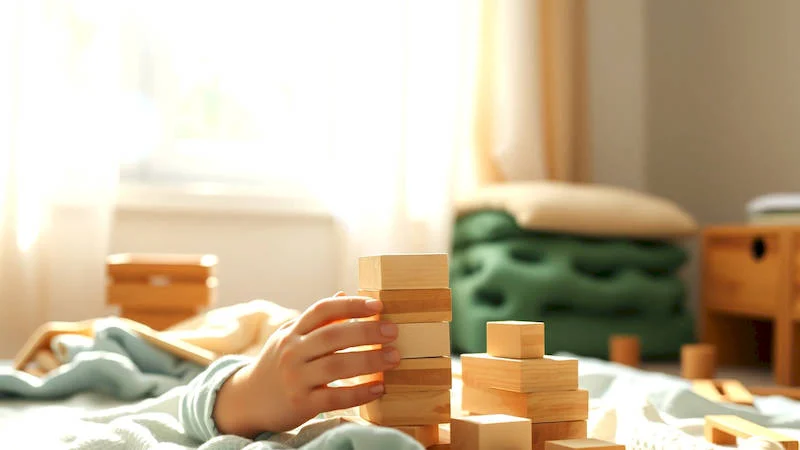
For example, you might have students act out a story, participate in a quick game of Simon Says, or use hand gestures to represent mathematical concepts. Providing opportunities for tactile exploration – such as playing with playdough, building with blocks, or using textured materials – can also be beneficial. “The brain needs sensory input to organize itself, and movement is a powerful way to provide that input,” explains occupational therapist, Lisa Koenig. Allowing fidget toys, within reasonable limits, can be beneficial for some students to manage excess energy and maintain focus.
Collaboration and Communication: A Team Approach
Successfully adapting classroom activities for children with SPD requires a collaborative effort between educators, parents, and occupational therapists. Open communication is essential for understanding each child’s unique sensory profile and developing strategies that meet their individual needs. Regularly scheduled meetings, email updates, and shared observation notes can facilitate effective teamwork.
Parents are the experts on their child and can provide valuable insights into their sensory sensitivities, triggers, and coping mechanisms. Occupational therapists can conduct comprehensive assessments to identify specific sensory processing challenges and recommend targeted interventions. Educators play a crucial role in implementing these interventions in the classroom and monitoring the student’s progress.
It's vital to create a supportive and understanding classroom culture where students feel comfortable communicating their sensory needs. Encourage open dialogue and allow the student to advocate for themselves. A student who feels heard and understood is more likely to engage in learning and thrive academically and socially.
Conclusion: Creating Sensory-Smart Classrooms
Adapting classroom activities for children with Sensory Processing Disorder isn't about lowering expectations; it’s about removing barriers to learning. By understanding the diverse ways in which sensory processing can differ and implementing thoughtful adaptations, educators can create a more inclusive and supportive learning environment for all students. This requires a shift in perspective – from viewing sensory sensitivities as “problem behaviors” to recognizing them as neurological differences that require accommodation.
Key takeaways include the importance of individualized assessment, environmental modifications, incorporating movement, and fostering a collaborative team approach. Remember to prioritize creating a predictable and calming classroom environment, minimizing distractions, and providing opportunities for sensory regulation. Small changes can make a profound difference in a child’s ability to learn, focus, and thrive. The ultimate goal is to empower students with SPD to reach their full potential, not by changing them, but by adapting the environment to meet their needs. Continued professional development and staying informed about the latest research in sensory processing are critical steps for educators committed to creating truly sensory-smart classrooms.
Deja una respuesta