Top 5 Online Coding Classes for Kids to Boost Problem-Solving Skills
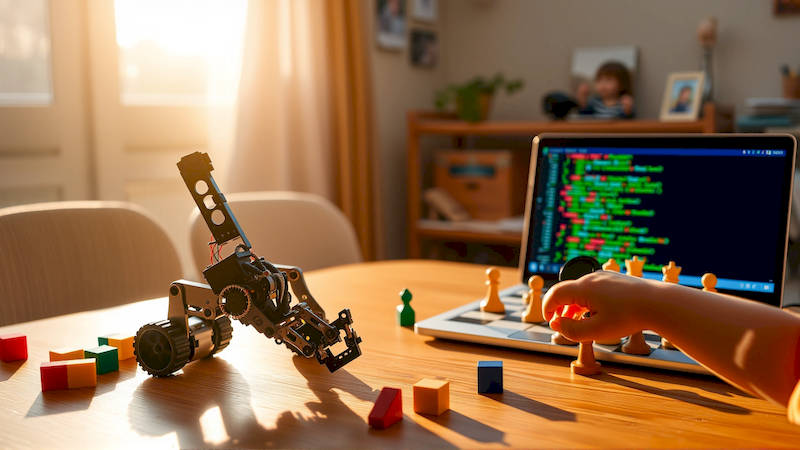
In today’s increasingly digital world, coding is no longer a specialized skill reserved for software engineers; it’s becoming a fundamental literacy, akin to reading and writing. Equipping children with coding skills isn’t just about preparing them for future careers in technology, though that’s certainly a benefit. It’s about fostering crucial cognitive abilities, most notably problem-solving, logical thinking, and creativity. Learning to code encourages a breakdown of complex tasks into smaller, manageable steps – a valuable skill applicable to all areas of life. As Dr. Brenna Argall, a robotics expert and professor at the University of Southern California, states, "Coding isn’t just about learning syntax; it’s about learning how to think."
The benefits extend far beyond academic performance. Studies have shown a correlation between learning to code and improved math grades, enhanced analytical skills, and even boosted confidence. Moreover, coding provides a powerful outlet for self-expression and innovation, allowing children to bring their ideas to life through interactive stories, games, and applications. But with a plethora of online resources available, choosing the right coding class for your child can feel overwhelming. This article will delve into five of the top online coding classes for kids, analyzing their strengths, weaknesses, and suitability for different age groups and learning styles, all with the emphasis on how they nurture problem-solving capabilities.
Code.org: A Foundational Introduction to Computer Science
Code.org stands out as a non-profit organization dedicated to expanding access to computer science education, and its online courses are a fantastic starting point for young learners. Designed for ages 4-14, they utilize a block-based coding environment, meaning kids drag and drop visual blocks of code to create programs, eliminating the need to grapple with complex syntax early on. This approach is meticulously designed to be intuitive, fostering a sense of accomplishment and encouraging experimentation. The courses cover foundational concepts like sequencing, loops, and conditionals through engaging activities featuring familiar characters like Anna and Elsa from Frozen, and Star Wars characters, instantly making learning fun and relatable.
The power of Code.org lies in its scaffolding approach to learning. Courses incrementally build upon previous concepts, ensuring children grasp core principles before moving on to more complex challenges. For example, the Hour of Code tutorials provide a quick, accessible introduction to the basics, while longer courses like "Course A" and "Course B" delve deeper into programming logic. It’s a very strong pick for a first foray into coding, as it focuses on developing computational thinking – the ability to break down problems and find solutions – before the minutiae of typing code becomes a distraction. This is vital for developing a robust foundation in problem-solving.
However, Code.org's strength – its simplicity – can also be a limitation for older children or those who progress quickly. The block-based environment, while excellent for beginners, doesn't fully prepare them for transitioning to text-based coding languages. Furthermore, the courses are primarily self-directed, which may require parental support for younger learners or those who thrive in a more structured learning environment. The content, although vast, is largely focused on introductory concepts so long-term progression may require supplementary learning sources.
ScratchJr & Scratch: Cultivating Creativity & Algorithmic Thinking
Developed by the Lifelong Kindergarten group at the MIT Media Lab, Scratch and its younger sibling, ScratchJr, are visual programming languages designed to empower children to create interactive stories, games, and animations. ScratchJr, targeted at ages 5-7, introduces programming concepts through a particularly intuitive, icon-based interface. Instead of text, children snap together colorful blocks representing different actions and commands. This interface encourages experimentation and creativity without being hindered by the need to type or remember syntax.
Scratch, designed for ages 8-16, builds upon these fundamentals. It offers a more sophisticated interface and a wider range of functionalities, allowing for more complex projects. It’s a highly social platform too, where kids can share their creations with a global community, learning from others and receiving feedback. One significant benefit of Scratch is that it goes beyond simply teaching syntax; it nurtures algorithmic thinking, the process of developing a step-by-step solution to a problem. When a child builds a game in Scratch, they aren’t just making it work; they’re subconsciously developing the skills to plan, debug, and optimize the game's logic.
Critically, while Scratch is excellent for creative expression, it doesn’t directly translate into professional programming languages like Python or Java. However, the underlying concepts of logic, sequencing, and event handling are transferable. One potential disadvantage is the open-ended nature of the platform; some children may find a lack of structured guidance overwhelming, requiring parental guidance or supplementing with more directed learning resources.
Tynker: Game-Based Learning with a Curriculum Focus
Tynker provides a more structured and curriculum-focused approach to learning to code. Offering courses for children aged 5-18, Tynker employs a game-based learning environment, where kids earn badges and rewards as they progress through increasingly complex coding challenges. It begins with visual block coding, similar to Scratch and Code.org, but gradually introduces text-based languages like JavaScript and Python as children advance. This progressive pathway is crucial for bridging the gap between visually learning and actually working in real-world languages.
Tynker incorporates a wide range of project types, including game development, animation, robotics, and web design. This variety helps keep kids engaged and encourages them to explore different areas of coding. Furthermore, Tynker integrates with popular platforms like Minecraft, allowing children to modify and create within their favorite game. Tynker’s emphasis on tangible projects fosters problem-solving skills by requiring children to apply what they’ve learned to real-world scenarios. Debugging a game, for instance, involves identifying and fixing errors in the code – a crucial skill for any programmer, and a powerful exercise in logical reasoning.
Though a comprehensive platform, Tynker does come at a cost. It operates on a subscription basis, which can be a barrier for some families. Additionally, while the game-based approach is engaging, it sometimes prioritizes entertainment over in-depth understanding of core programming concepts. Supplementing Tynker's curriculum with additional resources could benefit students seeking a more rigorous learning experience.
Kodable: A Progressive Path from Sequencing to JavaScript
Kodable stands out for its very focused and progressive curriculum, specifically geared towards introducing coding concepts to students in kindergarten through fifth grade. The initial stages utilize visually engaging “Fuzz Family” characters that children guide through mazes and challenges by sequencing commands. This builds a strong foundation in algorithmic thinking without requiring any typing. As students progress, Kodable seamlessly introduces more advanced concepts like conditional statements, loops, and functions, all while maintaining the visually appealing environment.
What separates Kodable is its clear alignment with educational standards. The curriculum is designed to complement classroom learning and address core computer science concepts. This means that the skills children acquire in Kodable are directly transferable to their schoolwork and future studies. The platform also provides detailed reporting for teachers and parents, allowing them to track student progress and identify areas where additional support is needed. This focus on assessment and standardization is a great benefit for those looking for integrated learning. The curriculum also gradually introduces JavaScript, providing a natural transition to text-based programming.
However, Kodable's focused approach can also be a limiting factor for children who thrive on open-ended exploration. The linear curriculum may not appeal to those who prefer to experiment and create their own projects without strict guidance. Additionally, the platform’s user interface, though clean and intuitive, can feel somewhat less engaging compared to the more visually vibrant environments of Scratch or Tynker.
CodeCombat: Learn to Code Through a Role-Playing Game
CodeCombat offers a unique approach to learning coding: through a captivating role-playing game. Students learn Python, JavaScript, or CoffeeScript by writing actual code to control their hero as they navigate a fantasy world, battle monsters, and complete quests. This immersive experience transforms coding from a chore into an adventure. The game starts with very simple coding challenges and gradually introduces more complex concepts, ensuring beginners aren’t overwhelmed.
CodeCombat is particularly effective at fostering problem-solving skills. Each level presents a new challenge that requires students to analyze the situation, devise a plan, and write code to achieve a specific objective. Debugging code is an integral part of the gameplay, forcing students to identify and fix errors to progress. Unlike block-based interfaces, CodeCombat throws students directly into writing actual code, which is incredibly valuable for preparing them for future programming endeavors. The competitive element of the game, where players can compare their solutions and compete on leaderboards, further motivates them to learn and improve.
While undeniably engaging, CodeCombat's game-centric approach can sometimes overshadow the fundamental concepts of coding. Students may focus on completing the levels rather than fully understanding the underlying principles. Additionally, the platform's reliance on game mechanics may not appeal to all learners. Some children may prefer a more structured or project-based learning environment.
In conclusion, the world of online coding classes for kids is diverse and brimming with opportunities. Code.org provides an exceptional foundation, Scratch and ScratchJr nurture creativity and computational thinking, Tynker offers a structured curriculum with game-based learning, Kodable delivers focused progression, and CodeCombat immerses children in a coding adventure. The “best” class ultimately depends on your child’s age, learning style, and interests. Consider starting with a visually-based, block-coding environment like Code.org or Scratch to build fundamental concepts. Then, based on their engagement and progress, explore more structured options like Tynker or Kodable, or a game-based approach like CodeCombat. Regardless of the chosen platform, the most critical takeaway is that learning to code isn’t merely about mastering a technical skill – it’s about cultivating a valuable skillset that builds problem-solving capabilities, logical thinking, and creativity. Invest in these skills today, and equip your child with the tools to thrive in the digital world of tomorrow.
Deja una respuesta