
Top 10 Gross Motor Skills Every Toddler Should Develop by Age Two
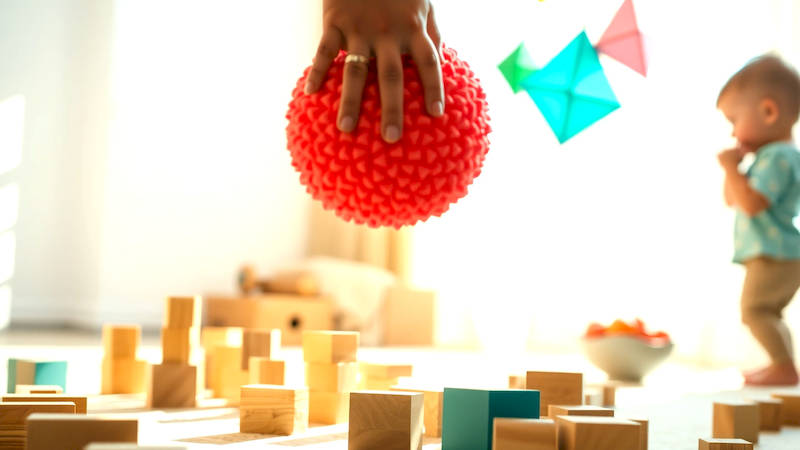
The period between one and two years old is a whirlwind of development for toddlers. It’s a time of rapid physical growth, curiosity, and an increasing desire for independence. While cognitive and language skills are blossoming, it’s the advancements in gross motor skills – those involving large muscle movements – that truly transform a baby into a toddler capable of exploring their world with increasing confidence. These skills aren’t just about hitting milestones; they lay the foundation for future athletic abilities, coordination, and overall physical well-being. Understanding these key areas of development, and actively fostering them, is crucial for parents and caregivers.
This article will delve into the ten most important gross motor skills your toddler should be developing by their second birthday, providing insights into why they matter, how to support them, and what to do if you have concerns. We’ll move beyond simply listing milestones to offer practical advice and a deeper understanding of the neurological and physical processes at play. Remember that every child develops at their own pace, but understanding these benchmarks can help you provide the optimal environment for your little one to thrive.
- 1. Walking with a Stable Gait
- 2. Starting to Run
- 3. Squatting and Bending
- 4. Climbing on Low Structures
- 5. Kicking a Ball
- 6. Throwing a Ball Overhand
- 7. Stepping Up and Down From Low Steps
- 8. Pulling Toys While Walking
- 9. Maintaining Balance On One Foot (Briefly)
- 10. Crawling on Various Surfaces
- Conclusion: Nurturing Movement, Fostering Development
1. Walking with a Stable Gait
Walking is arguably the hallmark milestone of toddlerhood. But it's not merely about putting one foot in front of the other. By age two, toddlers should be moving beyond the initial wobbly steps and establishing a more stable and coordinated gait. This means a reasonably steady pace, with increasing confidence and less reliance on arms for balance. It also signifies strengthening core muscles and improving balance mechanisms.
Initially, toddlers will often walk with a wide stance, and their feet may point outwards slightly – this is perfectly normal. As they gain strength and coordination, the stance will narrow, and their gait will become smoother. Encourage walking by creating safe, open spaces for exploration, and resist the urge to constantly hold their hands. A push toy, like a sturdy wagon, can provide support initially, but the goal is independent locomotion. Observe how your toddler navigates different surfaces – carpet, grass, even slight inclines – as this provides valuable information about their balance and coordination.
It's important to note that differences in walking style can occur. Some toddlers might start walking later than others, and that’s often perfectly fine. However, consistent tripping, falling, or a markedly asymmetrical gait warrant a conversation with your pediatrician, as it might indicate an underlying issue.
2. Starting to Run
While a full-blown sprint isn’t expected, a two-year-old should be showing the very beginnings of running. This will likely look more like an enthusiastic, fast-paced walk with high knees and flailing arms than a smooth, efficient run. The development of running requires significant strengthening of leg muscles, improved coordination, and better balance control. It also requires a level of risk-taking and willingness to shift weight quickly.
To encourage this skill, provide ample opportunities for free play in safe spaces. Games like “chase” (played gently!) can motivate them to pick up speed, and simply encouraging them to “run to Mommy/Daddy” can be effective. Avoid overly structured activities at this stage; allow them to experiment with different speeds and gaits organically. Expect a bit of clumsiness! Running is a complex motor skill, and it takes practice to master. Building simple obstacle courses with soft objects can also help build confidence and coordination.
3. Squatting and Bending
The ability to squat and bend – to lower the body and then return to standing – is essential for everyday tasks like picking up toys, reaching for objects on the floor, and eventually, potty training. This requires significant core strength, flexibility, and body awareness. It's also a complex movement that integrates multiple muscle groups working together.
Model squatting and bending as you go about your daily routines. When you pick up a toy, narrate your action: “Mommy is going to squat down to pick up the block.” Encourage your toddler to imitate you. Games like “Simon Says” with squatting incorporated are also fun. Providing a low shelf with toys can naturally encourage squatting. Remember to emphasize proper form – a straight back and a slight bend in the knees – to minimize the risk of injury.
4. Climbing on Low Structures
A healthy desire to climb is a very common trait in toddlers! Climbing, whether it’s onto a low couch cushion, a small step stool (with supervision), or a gentle playground slide, promotes strength, coordination, spatial awareness, and problem-solving skills. It’s a fantastic way for them to challenge themselves and build confidence.
Supervision is critical when a toddler is climbing. Ensure the structures they’re climbing on are stable and secure, and provide a soft landing surface if possible. Start with very low structures and gradually increase the challenge as their skills develop. Don’t discourage climbing entirely; instead, redirect them to safe climbing opportunities. “That’s too high, let’s climb on these cushions instead!” is a beneficial approach.
5. Kicking a Ball
Kicking a ball is more than just a random leg movement; it’s a developing skill that involves coordination, balance, and power generation. Initially, toddlers may simply enjoy swatting at a ball with their feet, but by age two, they should be able to demonstrate a more intentional kick, even if it's not particularly accurate or forceful.
Start with a lightweight, soft ball and encourage your toddler to practice kicking. Demonstrate the motion yourself, and offer verbal cues: “Kick the ball! Use your whole leg!” Focus on the process rather than the outcome. Simply enjoying the sensation of kicking and the movement itself is a great start. Vary the size and texture of the ball to create different sensory experiences.
6. Throwing a Ball Overhand
Similar to kicking, throwing develops hand-eye coordination, arm strength, and body rotation. A two-year-old’s throw will likely be more of a lob or a toss than a powerful overhand throw, but they should be able to demonstrate the basic motion – bringing their arm back and then forward to release the ball.
Again, modelling the behavior is key. Demonstrate how to throw and provide encouragement. Start with a lightweight ball or beanbag to make it easier for them to grasp and release. Focus on the direction, rather than the distance, of the throw. Games like throwing balls into a laundry basket can add an element of fun and challenge.
7. Stepping Up and Down From Low Steps
Navigating changes in elevation, such as stepping up and down from a low step, requires coordination, balance, and judgement of spatial relationships. This is crucial for navigating the environment and avoiding falls. It involves a complex interplay between leg strength, core stability, and visual perception.
Provide opportunities to practice on stable, low steps with a handrail for support. Initially, you might provide assistance by holding their hand. Gradually reduce your support as their confidence grows. Emphasize the importance of looking at the step before stepping on it. A set of carpeted steps or soft blocks can create a safe practice environment.
8. Pulling Toys While Walking
This skill combines walking with the added challenge of pulling an object, requiring core strength and coordination to maintain balance while managing the weight and resistance of the toy. It builds both gross and fine motor skills simultaneously.
Provide a wagon, pull-along animal, or other sturdy toy for your toddler to pull. Encourage them to walk while pulling the toy, and offer assistance if needed. This activity also promotes imaginative play and encourages exploration. Choose a toy with a comfortable handle that’s easy for them to grip.
9. Maintaining Balance On One Foot (Briefly)
While a toddler won’t be standing on one foot for extended periods, they should demonstrate the ability to lift one foot briefly, maintaining balance for a second or two. This requires core strength, proprioception (awareness of body position), and balance mechanisms.
You can encourage this skill during playtime. When holding their hands while they "dance," gently lift one foot. Turn it into a game like "flamingo balance" encouraging them to lift each leg briefly. Don't force it; allow them to experiment at their own pace.
10. Crawling on Various Surfaces
Even after mastering walking, crawling remains an important gross motor skill. It strengthens core muscles, promotes coordination, and fosters spatial awareness. It’s also a valuable skill for navigating tight spaces and developing a different perspective on the environment. A toddler should be able to crawl not only on flat surfaces, but also over soft obstacles and uneven terrain.
Create a “crawler’s course” with pillows, blankets, and tunnels. Encourage them to crawl under furniture and around obstacles. This is a great way to make crawling fun and challenging.
Conclusion: Nurturing Movement, Fostering Development
Supporting your toddler’s gross motor skill development isn’t about pushing them to achieve milestones ahead of time; it’s about providing a safe, stimulating environment where they can explore, experiment, and move freely. Remember that every child is unique and learns at their own pace. Be patient, encouraging, and celebrate their progress, no matter how small.
The skills we’ve discussed – walking, running, squatting, climbing, throwing, and more – are not isolated movements but are interconnected and build upon each other. By nurturing these skills, you’re not just helping your toddler become physically capable; you're fostering their confidence, independence, and overall well-being. If you have concerns about your toddler’s development, don’t hesitate to consult with your pediatrician or a qualified physical therapist. They can provide personalized guidance and support to ensure your little one reaches their full potential. The journey of toddlerhood is a beautiful one, filled with endless possibilities for growth and discovery, and moving is a vital part of it all.
Deja una respuesta