
How to Involve Kids in Grocery Shopping and Meal Prep
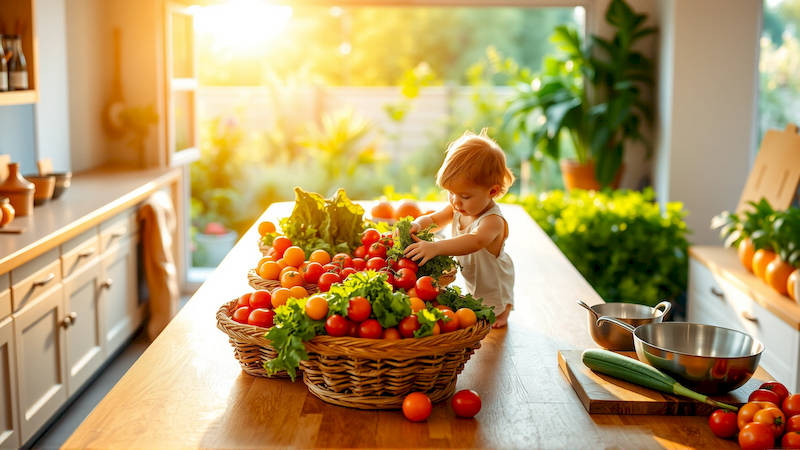
The foundation of a healthy family life often starts in the kitchen, but many parents view mealtime as a source of stress and struggle. Beyond simply getting nutritious food on the table, fostering a positive relationship with food in children is crucial for their long-term health and wellbeing. However, this isn’t about meticulous plating or elaborate recipes; it's about the process. A remarkably effective – and often overlooked – strategy for achieving this is actively involving kids in both grocery shopping and meal preparation. This isn’t just about lightening your load; it’s about building essential life skills, promoting healthier eating habits, and creating lasting family memories.
Too often, children are passive recipients of meals, with little understanding of where their food comes from or how it’s made. This disconnect can contribute to picky eating, food waste, and a lack of appreciation for the effort involved in providing nourishment. According to a study by the University of Minnesota, children who participate in meal preparation are more likely to try new foods and exhibit greater dietary variety. By engaging children in these activities, we empower them to become confident and capable individuals who value healthy eating and understand the importance of a balanced diet.
This article will delve into the myriad benefits of including your children in the culinary journey, offering practical, age-appropriate strategies to make grocery shopping and meal prep a fun, educational, and bonding experience for the whole family. We'll move beyond simply "helping" in the kitchen and explore ways to instill genuine interest and ownership in what and how your family eats.
- The Benefits Beyond the Bite: Why Involve Kids?
- Age-Appropriate Tasks: Setting Realistic Expectations
- Grocery Shopping as an Adventure: Making it Engaging
- Meal Prep Missions: Breaking Down the Process
- Addressing Challenges: Picky Eaters & Time Constraints
- Beyond the Basics: Expanding Culinary Horizons
- Conclusion: Sowing the Seeds for a Lifetime of Healthy Habits
The Benefits Beyond the Bite: Why Involve Kids?
Involving children in food-related tasks extends far beyond simply teaching them kitchen skills. It’s a holistic approach to fostering a positive relationship with food, promoting healthy habits, and enhancing their overall development. One significant benefit is the increase in fruit and vegetable consumption. Research repeatedly shows that when children are involved in selecting produce, they're more likely to eat it. Because they've taken part in the process, a sense of pride and ownership develops, naturally overcoming potential resistance towards new foods.
Furthermore, these activities provide excellent educational opportunities. Grocery shopping can become a lesson in math (comparing prices, calculating quantities), science (understanding food groups, where food originates), and geography (learning about different cultures and cuisines). Meal preparation, meanwhile, offers practical experience in following instructions, measuring ingredients, and understanding the basics of nutrition. While these learning moments can happen organically, intentionality helps maximize the impact. Think about discussing the journey of an apple – from the orchard to the supermarket to your table – or explaining how different ingredients contribute to a balanced meal.
Finally, and perhaps most importantly, involving children in the kitchen builds confidence and connection. Completing a task together, like washing vegetables or stirring a sauce, fosters a sense of accomplishment and strengthens family bonds. These shared experiences create positive memories and opportunities for conversation, making mealtime a more enjoyable and meaningful occasion for everyone.
Age-Appropriate Tasks: Setting Realistic Expectations
Successfully involving kids requires understanding their developmental stage and tailoring tasks accordingly. Expecting a three-year-old to chop vegetables is unrealistic and potentially dangerous. However, a three-year-old can rinse produce, tear lettuce for salad, or stir ingredients under supervision. The key is to focus on activities that are safe, manageable, and contribute to the overall process. Younger children (ages 2-4) thrive on simple, repetitive tasks like washing fruits and vegetables, helping to gather ingredients, or setting the table.
As children grow (ages 5-8), their abilities expand. They can begin to measure ingredients with assistance, help with basic chopping (using child-safe knives), and follow simple recipe steps. This is an excellent time to introduce more complex concepts like reading a recipe and understanding quantities. Consider things like letting them put pre-measured ingredients into a bowl, or assisting with mixing. Teenagers (ages 9+) can handle more challenging tasks, such as cooking entire meals (with supervision), meal planning, and creating grocery lists. They can also be given more responsibility for kitchen cleanup and food safety. Remember to emphasize safety precautions at every stage, and always supervise closely, especially when knives or heat are involved.
Grocery Shopping as an Adventure: Making it Engaging
The grocery store doesn’t have to be a boring chore; it can be an exciting adventure! Before you even leave the house, involve your child in creating a shopping list. Have them suggest healthy items they would like to try, and explain why you’re choosing certain foods. At the store, use the opportunity to educate them about different fruits, vegetables, and grains. Ask them to identify the colors, shapes, and textures of different produce items.
Turn it into a scavenger hunt: "Can you find the brightest red apple?" or "Let's find three types of green vegetables." Allowing them to select a new fruit or vegetable to try each week encourages exploration and expands their palate. Discuss the origins of different foods and explain how they contribute to a healthy diet. For older children, involve them in comparing prices and calculating the best value. Alternatively, try a themed shopping trip – for example, focusing on ingredients for a specific cuisine, and allowing them to select ingredients within that focus.
Meal Prep Missions: Breaking Down the Process
Meal preparation shouldn’t be viewed as a race against the clock; it should be a collaborative, enjoyable process. Start by involving your child in the planning stage. Let them help choose recipes, considering their preferences (within healthy boundaries, of course). Once you’ve selected a recipe, break down the tasks into manageable steps and assign them to your child.
Even very young children can participate in simple tasks like washing vegetables, tearing lettuce, or stirring ingredients. Older children can help with more complex tasks, such as chopping vegetables (with supervision), measuring ingredients, and following recipe instructions. Create a designated “kid zone” in the kitchen, with a stable step stool and access to age-appropriate tools and ingredients. Remember to celebrate their contributions and praise their efforts, even if the results aren't perfect. Embrace the mess! A little extra cleanup is a small price to pay for the benefits of a positive and engaging experience.
Addressing Challenges: Picky Eaters & Time Constraints
One of the biggest challenges faced by parents is dealing with picky eaters. Involving children in meal preparation can actually help overcome this issue, as they’re more likely to try foods they’ve helped create. However, it’s important to be patient and persistent. Don’t force them to eat anything they don’t want to, but continue offering healthy options and encouraging them to try new things.
Time constraints are another common barrier. It's true that involving kids adds time to the process, at least initially. However, it’s an investment that pays off in the long run. Start small, by involving them in just one or two tasks per meal. Prepare ingredients in advance when possible, and choose simple recipes that are quick and easy to make. One tactic is "batch cooking" - dedicating a portion of the weekend to prepping ingredients like chopped vegetables or cooked grains, ready for use during the week. Accepting that things won’t always go smoothly is also crucial. There will be spills, messes, and potentially frustrating moments. But by focusing on the positive aspects – the learning, the bonding, and the shared experience – you can make it a worthwhile endeavor.
Beyond the Basics: Expanding Culinary Horizons
Once your child is comfortable with basic tasks, you can start expanding their culinary horizons. Introduce them to different cuisines and cooking techniques. Encourage them to experiment with new flavors and ingredients. Consider taking a cooking class together, or watching cooking shows for inspiration.
This is also a great opportunity to teach them about food waste and sustainability. Show them how to properly store food to prevent spoilage, and how to use leftovers creatively. Discuss the importance of supporting local farmers and choosing environmentally friendly products. Encourage them to grow their own herbs or vegetables, even if it’s just a small windowsill garden. Fostering an appreciation for the entire food system can instill valuable life lessons and promote a sense of responsibility.
Conclusion: Sowing the Seeds for a Lifetime of Healthy Habits
Involving kids in grocery shopping and meal prep isn’t just about getting help in the kitchen; it’s about cultivating a lifelong love of food and fostering healthy habits. By empowering children to take ownership of their nutrition, we equip them with the skills and knowledge they need to make informed choices and lead healthier lives. The benefits extend far beyond the plate, encompassing educational opportunities, strengthened family bonds, and increased confidence.
Start small, be patient, and embrace the mess. Remember to tailor tasks to your child’s age and abilities, and celebrate their contributions along the way. Make it fun, make it engaging, and make it a family affair. The time invested now will yield a harvest of positive outcomes for years to come. So, step away from the stove, invite your little ones in, and embark on a culinary journey together. Your family's health, happiness, and future will thank you for it.
Deja una respuesta