
Creating a personalized literacy corner for reluctant readers
Reading is fundamental to a child’s development, unlocking access to knowledge, imagination, and crucial life skills. However, for many children, reading feels like a chore, a frustrating hurdle rather than a joyful experience. This is particularly true for "reluctant readers" – children who aren’t necessarily struggling with decoding, but simply lack motivation to engage with books. Creating a dedicated, personalized literacy corner can be a powerful tool in turning this around. It’s about more than just aesthetics; it's about crafting a space that invites exploration, fosters a sense of ownership, and ultimately, reignites a passion for reading. This article will delve into the strategies and practical steps parents can take to build a haven for reluctant readers, nurturing a lifelong love of learning.
The challenge with reluctant readers isn’t often a cognitive one. It's frequently a matter of finding material that genuinely excites them, removing barriers to engagement, and associating reading with positive experiences. A thoughtfully designed literacy corner addresses all these aspects. Simply placing books on a shelf isn’t enough. We need to consider the environment, the selection of materials, and the overall atmosphere to create a space that truly draws children in. Ignoring this can perpetuate negative associations with reading, leading to wider academic difficulties down the line.
This isn’t about forcing a child to read; it's about subtly shifting their perception of what reading is. It's about showing them that reading can be a source of pleasure, information, and escape, tailored to their specific interests. By actively involving your child in the creation of this space, you’re granting them agency and demonstrating that their preferences matter. This collaborative approach is crucial for success, because forcing a reading environment on a child is unlikely to yield positive results.
- Understanding Your Reluctant Reader: The Foundation of Personalization
- Designing the Physical Space: Comfort, Accessibility, and Atmosphere
- Beyond Novels: Diversifying Reading Materials
- Making Reading Interactive & Engaging: It's More Than Just Decoding
- Creating a Reading Routine & Celebrating Success
- Ongoing Evaluation and Adaptation
- Conclusion: Nurturing a Lifelong Reader
Understanding Your Reluctant Reader: The Foundation of Personalization
Before diving into the design aspects, it’s crucial to understand why your child is reluctant. What are their interests? What are their learning styles? Are they visual learners who would benefit from graphic novels? Do they prefer non-fiction that satisfies their curiosity about the world? Do they favor interactive stories or audiobooks? Identifying these preferences is the cornerstone of creating a truly personalized space. Observe what captures their attention outside of reading – their favorite movies, hobbies, and games – and look for ways to connect those interests to reading material.
This initial assessment isn’t a one-time event; it’s an ongoing process of observation and conversation. Don’t hesitate to ask your child directly what they dislike about reading, and more importantly, what could make it more enjoyable. Be genuinely receptive to their answers, even if they seem counterintuitive. A child who says they “hate reading” might actually dislike the pressure to read at a certain level or the types of books they are assigned in school. Sometimes, simply removing that pressure and offering a wide range of choice can make a world of difference. Consider also if there's an underlying issue like dyslexia or vision problems that hasn't been addressed - professional assessment might be helpful.
Furthermore, it's important to differentiate between a child who isn't reading as much as you'd like and a child who truly resents reading. The former requires encouragement and opportunity; the latter may require a more nuanced approach and potentially professional support. Focusing on building positive associations and dismantling negative perceptions is key in both scenarios.
Designing the Physical Space: Comfort, Accessibility, and Atmosphere
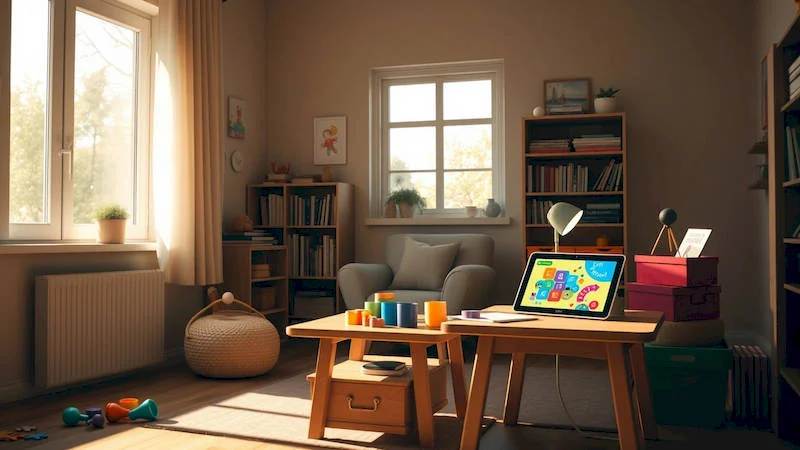
The physical environment of the literacy corner significantly impacts a child's willingness to spend time there. Forget the sterile, library-like aesthetic. Aim for cozy and inviting. This could be a corner of a bedroom, a dedicated space in a living room, or even a transformed closet. The key is to make it feel special and unique. Think comfortable seating: beanbag chairs, oversized pillows, a small, kid-sized armchair, or even a floor cushion arrangement. These provide a relaxed atmosphere conducive to reading.
Accessibility is paramount. Books should be readily available and at your child’s eye level. Consider using open shelving, magazine racks, or even baskets to display books with covers facing forward – the visual appeal can be a powerful lure. Proper lighting is also crucial. Avoid harsh overhead lights; opt for a soft lamp or string lights to create a warm and inviting glow. Personalization is key: incorporate your child's favorite colors, artwork, and small decorative items. A personalized rug, a themed bookshelf, or a self-made banner can all contribute to a sense of ownership and make the space feel truly their own. Remember, this isn't your ideal reading corner; it's theirs.
Don't limit the corner to just books. Include other literacy-related materials like journals, art supplies for creating stories, puzzles, and even a small whiteboard for brainstorming ideas. This transforms the space into a multipurpose creativity hub that fosters a broader engagement with language and imagination.
Beyond Novels: Diversifying Reading Materials
One of the biggest mistakes parents make is limiting "reading material" to traditional novels. For reluctant readers, this can be a major turn-off. Expand the definition of "reading" to encompass a much wider range of formats and genres. Graphic novels and comic books are excellent entry points, particularly for visual learners. They provide a visually engaging narrative that can build reading stamina and vocabulary.
Magazines catered to your child's interests – whether sports, animals, science, or art – offer bite-sized reading experiences that are less intimidating than lengthy novels. Non-fiction books are also invaluable, particularly for children who are curious about the world around them. Think books about dinosaurs, space, history, or famous people. Audiobooks are another fantastic option, allowing children to enjoy stories while engaging in other activities. Furthermore, consider incorporating digital resources like e-books and educational apps – just be mindful of screen time and ensure they complement, rather than replace, traditional reading.
The goal is to find materials that genuinely pique your child's interest, regardless of the format. Don't dismiss a particular genre just because it's not "literary." If your child is obsessed with video games, look for books based on those games or books that explore similar themes. Connecting reading to their existing passions is a crucial strategy for encouraging engagement.
Making Reading Interactive & Engaging: It's More Than Just Decoding
Reading shouldn't be a solitary activity. Incorporate interactive elements into the literacy corner to make it more engaging. Create a "book recommendation" board where your child can share their favorite books with others. Set up a "storytelling prompt" jar filled with ideas for creative writing. Organize a family book club where everyone reads the same book and discusses it together.
Encourage your child to "perform" their favorite stories, using props and costumes. This not only enhances comprehension but also fosters creativity and confidence. Consider incorporating reading-related games like Scrabble, Boggle, or crossword puzzles. These activities reinforce vocabulary and spelling skills in a fun and engaging way. Remember, the goal is to make reading an enjoyable experience, not a tedious task. “According to the National Assessment of Educational Progress (NAEP), only 34% of U.S. fourth-graders are proficient in reading,” highlighting the need for innovative engagement strategies.
Furthermore, make a habit of reading with your child, even as they get older. Read aloud to them, take turns reading chapters, or simply discuss the books they are reading. This shows them that you value reading and provides an opportunity for meaningful connection.
Creating a Reading Routine & Celebrating Success
Consistency is key to fostering a love of reading. Establish a regular reading routine, even if it's just for 15-20 minutes each day. Make it a special time, free from distractions. Let your child choose the books they want to read, and avoid pressuring them to finish a book they aren't enjoying. The point is to build positive associations with reading, not to create a sense of obligation.
Celebrate your child's reading achievements, no matter how small. Acknowledge their effort and progress, and focus on the joy of reading rather than simply the number of books they've read. Create a "reading reward chart" where they can earn points for reading, which can be redeemed for small prizes or special activities. Throw a "reading party" to celebrate the completion of a book or a reading challenge. Positive reinforcement is a powerful motivator.
Remember to model reading behavior yourself. Let your child see you reading for pleasure. Talk about the books you're reading, and share your excitement about literature. Your enthusiasm will be contagious.
Ongoing Evaluation and Adaptation
The literacy corner isn't a static creation. It needs regular evaluation and adaptation to maintain its effectiveness. Continuously observe your child’s engagement with the space and the materials available. Are they using the corner? What books are they choosing (or avoiding)? What activities seem to capture their attention? Use this feedback to make adjustments.
Regularly rotate the books and materials to keep things fresh and prevent boredom. Add new items based on your child’s evolving interests. Reorganize the space to create a more inviting and functional layout. Remember, the goal is to create a space that grows and evolves with your child, providing ongoing support and encouragement for their reading journey. Be prepared to experiment and try new things, and don't be afraid to ask your child for their input.
Conclusion: Nurturing a Lifelong Reader
Creating a personalized literacy corner for a reluctant reader is an investment in their future. It’s about far more than just improving reading skills; it’s about fostering a lifelong love of learning, igniting their imagination, and empowering them to explore the world through the power of books. By understanding your child’s individual preferences, designing a comfortable and inviting space, diversifying reading materials, making reading interactive, establishing a routine, and celebrating their success, you can transform a reluctant reader into an enthusiastic one.
The key takeaways are simple: personalizing the experience, offering choices, celebrating progress, and maintaining a positive atmosphere are paramount. Don’t focus on the perceived “difficulty” of reading; focus on the joy of discovery. Start small, be patient, and most importantly, make it fun. The reward – a child who loves to read – is immeasurable. Begin by simply asking your child what one thing would make reading more enjoyable for them. That single conversation is the first step towards building a reading haven and fostering a lifelong love affair with books.
Deja una respuesta