Nonverbal Communication Tips for Parents and Kids
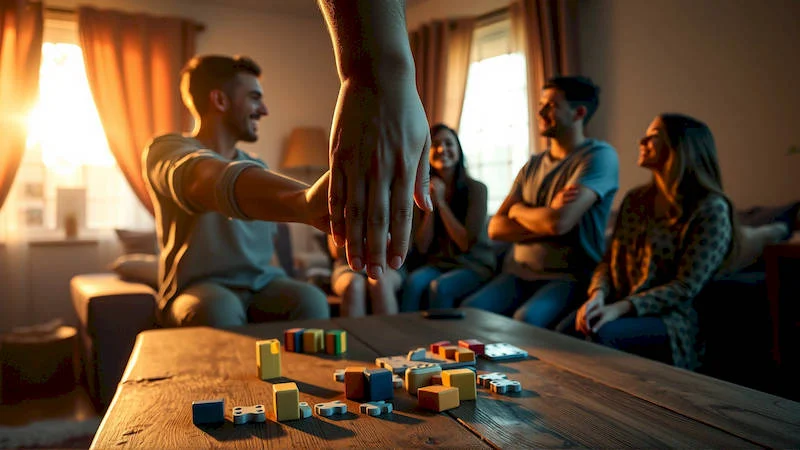
Communication is often perceived as the exchange of spoken words, but a significant portion of how we understand each other actually lies beneath the surface – in the realm of nonverbal cues. For families, mastering nonverbal communication isn’t just about smoother interactions; it’s about building deeper emotional connection, fostering trust, and navigating the complexities of family life with greater understanding. A fleeting facial expression, a subtle change in posture, the tone of voice – these seemingly small signals powerfully shape how messages are received and interpreted, especially within the often emotionally charged environment of a family.
In a world increasingly dominated by digital interaction, the ability to read and respond to nonverbal cues is more crucial than ever. Children learn to interpret the world, and especially their relationships with caregivers, by observing these signals long before they develop robust verbal skills. As children grow, strong nonverbal communication skills contribute to their emotional intelligence, social competence, and overall well-being. Conversely, misinterpretations of nonverbal cues can lead to misunderstandings, conflict, and emotional distance.
This article delves into the multifaceted world of nonverbal communication within families, providing parents and kids alike with actionable strategies to enhance their understanding and strengthen their bonds. We’ll explore key elements of nonverbal communication, common pitfalls, and practical tips to create a more harmonious and connected family dynamic. Understanding and actively cultivating these skills is an investment in the long-term health and happiness of your family.
- The Core Components of Nonverbal Communication
- Decoding Your Child’s Nonverbal Signals
- The Parent's Nonverbal Impact: Leading by Example
- Active Listening: Beyond Hearing to Understanding
- Navigating Difficult Conversations Through Nonverbal Awareness
- Recognizing Cultural Differences in Nonverbal Communication
- Ongoing Practice and Building Emotional Intelligence
The Core Components of Nonverbal Communication
Nonverbal communication is a complex tapestry woven from a multitude of cues. While often considered subconsciously, these elements constitute a significant part of the message being conveyed. Understanding these components allows us to move beyond simply hearing what someone says, and towards truly understanding what they mean. It’s about recognizing the full emotional context behind the spoken word.
Facial expressions are arguably the most prominent aspect of nonverbal communication, conveying a wide range of emotions – happiness, sadness, anger, fear, surprise, and disgust. Research suggests these expressions are often universal, though cultural nuances can influence their interpretation. Beyond basic emotions, subtle microexpressions – fleeting facial movements lasting only fractions of a second – can reveal hidden feelings or intentions. Staying attuned to these subtle cues requires practice and mindful observation.
Body language, encompassing posture, gestures, and movements, provides further insights into a person’s emotional state. Crossing arms, for example, might signal defensiveness or closed-offness, while leaning forward can demonstrate engagement and interest. Proxemics, or the use of personal space, also plays a vital role. Children, especially, often indicate comfort levels through their physical proximity to parents. Finally, vocal cues – tone of voice, pitch, and pace – dramatically alter the meaning of words. A statement delivered in a sarcastic tone, for instance, can convey the opposite of its literal meaning.
Decoding Your Child’s Nonverbal Signals
Children are particularly adept at communicating nonverbally, often expressing their feelings through body language and behavior before they have the vocabulary to articulate them. Parents who become skilled at decoding these signals can proactively address their child’s needs and build a stronger, more empathetic connection. It's a skill built on focused attention and consistent observation.
Infants demonstrate their needs through cries, facial expressions, and body movements. A frantic waving of arms might indicate distress, while a relaxed body and a content facial expression suggest comfort. As children grow, their nonverbal cues become more nuanced. A toddler refusing to make eye contact might be feeling shy or overwhelmed, while a school-aged child fidgeting during a conversation might be anxious or bored. Recognizing these signals is crucial for responding appropriately and providing the support a child needs. A child who consistently avoids eye contact, for example, might require gentle encouragement or a safe space to share their feelings.
It’s important to avoid jumping to conclusions based solely on nonverbal cues. Context is key. A child who is typically energetic and outgoing might be exhibiting a quieter demeanor due to fatigue or feeling unwell, rather than sadness or disinterest. When in doubt, it’s always best to ask open-ended questions to clarify their feelings and understanding. “I notice you seem a little quiet today. Is everything okay?” is far more effective than assuming they’re upset.
The Parent's Nonverbal Impact: Leading by Example
Parents inadvertently serve as powerful nonverbal teachers for their children. Children constantly observe and internalize their parents' communication patterns, learning how to express themselves and interpret the signals of others. This makes it crucial for parents to be mindful of their own nonverbal behavior and model healthy communication habits.
Consider how you respond to your child when they share exciting news. Do you make direct eye contact, lean in, and offer an enthusiastic smile? Or are you distracted, multitasking, and providing only a cursory response? These subtle cues send a strong message about your level of engagement and care. Similarly, the way you handle conflict significantly influences your child’s understanding of healthy conflict resolution. Raising your voice, crossing your arms, or rolling your eyes communicate disrespect and defensiveness. Instead, maintaining a calm tone, making eye contact, and using open body language demonstrates a willingness to listen and understand.
Authenticity is paramount. Children are remarkably perceptive and can quickly detect insincerity. A forced smile or a patronizing tone can undermine trust and hinder communication. Strive for genuine emotional expression, even when it’s difficult. Showing vulnerability – admitting when you're feeling frustrated or overwhelmed – models emotional intelligence and creates a safe space for your child to do the same. Dr. John Gottman, a renowned relationship expert, emphasizes the importance of “emotional attunement” – the ability to understand and respond to another person’s emotions – as a cornerstone of strong relationships.
Active Listening: Beyond Hearing to Understanding
Active listening is more than just being quiet while someone speaks; it’s a conscious effort to fully comprehend their message, both verbally and nonverbally. It’s about demonstrating genuine interest and empathy, creating a safe space for open communication. This skill is fundamental to strong family relationships and provides a foundation for effective problem solving.
Techniques such as maintaining eye contact, nodding to show understanding, and using verbal affirmations (“I see,” “Uh-huh,” “That makes sense”) all contribute to active listening. However, equally important is attending to the speaker's nonverbal cues. Are they fidgeting? Avoiding eye contact? Speaking in a hesitant tone? These signals can provide clues about their underlying emotions and concerns. Reflecting back their feelings ("It sounds like you're feeling frustrated about...") demonstrates empathy and encourages them to open up further.
Avoid interrupting, formulating your response while the other person is still speaking, or offering unsolicited advice. The goal of active listening is to understand their perspective, not to fix their problems. A simple question like, “What are you feeling right now?” can be incredibly powerful in fostering emotional connection and encouraging your child to articulate their experience.
Navigating Difficult Conversations Through Nonverbal Awareness
Difficult conversations are inevitable in family life. These moments, however, are precisely when nonverbal communication skills are most critical. Being aware of both your own and the other person’s nonverbal cues can help de-escalate tension, build understanding, and facilitate constructive dialogue. It requires a conscious effort to manage your own emotional reactions and create a safe, non-threatening environment.
Before initiating a difficult conversation, take a moment to center yourself and regulate your emotions. A calm and composed demeanor will set a more positive tone. Choose a quiet and private setting where you won't be interrupted. During the conversation, maintain a soft tone of voice, make direct eye contact (without staring), and use open body language. Avoid accusatory language or judgmental expressions. Instead, focus on expressing your own feelings and needs using “I” statements (“I feel concerned when…” rather than “You always…”).
Pay close attention to the other person's nonverbal cues. If they appear to be becoming overwhelmed or shutting down, pause the conversation and offer them space to regain their composure. Acknowledge their feelings, even if you don't agree with their perspective. Validating their experience ("I can see why you're feeling that way") can go a long way towards building trust and fostering a more productive dialogue.
Recognizing Cultural Differences in Nonverbal Communication
It's crucial to acknowledge that nonverbal communication is not universal. Cultural differences can significantly impact the interpretation of gestures, eye contact, personal space, and other nonverbal cues. What might be considered respectful in one culture could be perceived as rude or offensive in another.
For families with diverse cultural backgrounds, or those interacting with individuals from different cultures, it’s essential to be mindful of these nuances. For example, direct eye contact is considered a sign of respect in many Western cultures, but it can be seen as challenging or disrespectful in some Eastern cultures. Similarly, the acceptable amount of personal space varies widely across cultures.
Educate yourself and your family about different cultural norms. Encourage open communication and ask questions when you're unsure about appropriate behavior. Approach interactions with humility and a willingness to learn, and avoid making assumptions based on your own cultural norms. Promoting this understanding will help foster positive relationships and prevent misunderstandings.
Ongoing Practice and Building Emotional Intelligence
Mastering nonverbal communication is an ongoing process, not a destination. It requires consistent self-awareness, practice, and a commitment to building emotional intelligence within the family. It isn’t just about learning the ‘rules’ of body language so much as it is cultivating a deeper sense of empathy and attunement to others.
Regularly reflect on your own nonverbal behavior and how it might be perceived by others. Ask family members for feedback on your communication style and be open to constructive criticism. Participate in activities that promote emotional awareness, such as mindfulness exercises or role-playing scenarios. Reading books or attending workshops on communication skills can also be beneficial.
Prioritize spending quality time together as a family, engaging in activities that encourage open communication and emotional expression. Create a safe and supportive environment where everyone feels comfortable sharing their thoughts and feelings, both verbally and nonverbally.
In conclusion, nonverbal communication is the invisible glue that holds families together. By consciously attending to these subtle cues – our own and those of our loved ones – we can build deeper connections, navigate challenges, and create a more loving and supportive family environment. It’s a skill that benefits everyone, enhancing emotional intelligence, fostering empathy, and paving the way for more meaningful and harmonious relationships. Start small – observe, reflect, and practice. The rewards, in terms of stronger family bonds and improved emotional well-being, are immeasurable. Remember that consistent effort and a genuine desire to understand are the keys to unlocking the power of nonverbal communication within your family.
Deja una respuesta