
Using Storytelling to Improve Children’s Conflict Resolution Skills
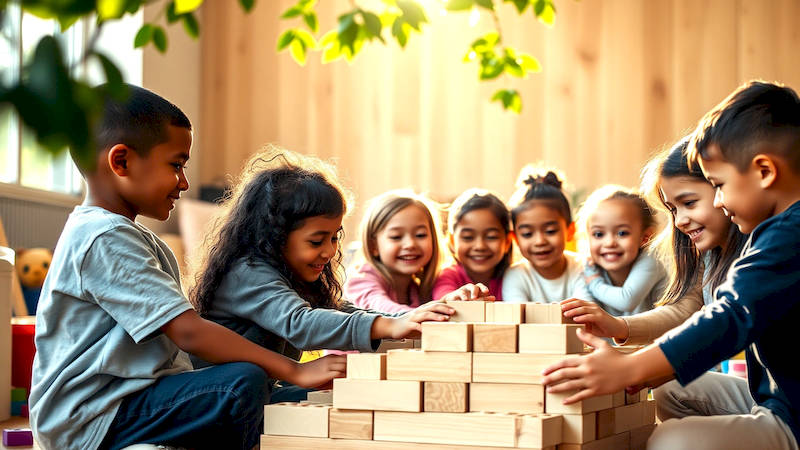
Conflict is an inevitable part of life, and for children, it’s often a daily occurrence – whether navigating shared toys, differing opinions during games, or simply vying for attention. While disagreements are natural, how children learn to manage these conflicts is crucial for their social-emotional development. Simply telling a child “share” or “be nice” often falls short. Instead, leveraging the power of storytelling allows us to subtly teach valuable conflict resolution skills, promoting empathy, perspective-taking, and problem-solving abilities. This article delves into the art of using narratives to equip children with the tools they need to navigate disagreements constructively, fostering healthier relationships and emotional resilience. It's about moving beyond discipline to development, creating a foundation for lifelong healthy interactions.
Storytelling isn’t merely entertainment; it’s a fundamental human learning tool. For millennia, cultures have used stories to transmit values, traditions, and essential life lessons. Children are naturally drawn to narratives – their brains are wired to engage with characters, plotlines, and emotional arcs. This innate connection makes stories a particularly effective medium for teaching complex social skills, like conflict resolution, without the direct pressure of lecturing or reprimanding. By embedding conflict resolution strategies within engaging tales, we provide children with models for behavior, encouraging them to internalize and apply those strategies in their own lives.
This article will explore practical ways to utilize storytelling to improve your child’s ability to resolve conflicts, building their confidence and fostering a more peaceful dynamic in their interactions with peers and family. We will examine different types of stories to use, techniques for facilitating discussion, and how to tailor storytelling to various age groups and conflict scenarios. Ultimately, the goal is to empower children, not to eliminate conflict, but to equip them with the skills to navigate it gracefully and grow from the experience.
- The Neuroscience of Stories & Conflict Resolution
- Selecting the Right Stories for Conflict Resolution
- Storytelling Techniques: Beyond Reading Aloud
- Tailoring Stories to Specific Conflicts and Age Groups
- Modeling Conflict Resolution through Your Own Storytelling
- Conclusion: Weaving a Future of Peaceful Interactions
The Neuroscience of Stories & Conflict Resolution
The effectiveness of storytelling as a learning tool is deeply rooted in neuroscience. When we listen to a story, our brains aren't simply passively receiving information; they are actively engaged. Studies using fMRI technology have shown that when we hear a story, our brains release dopamine, a neurotransmitter associated with pleasure, motivation, and memory. This neurochemical response enhances attention and makes the information more memorable. Furthermore, compelling narratives activate areas of the brain associated with empathy, allowing us to vicariously experience the emotions of the characters, improving understanding of others' perspectives.
This neurological mirroring is key to conflict resolution. When a child hears a story about characters experiencing conflict, their mirror neurons fire, allowing them to subtly “practice” understanding different viewpoints. According to Dr. Daniel Siegel, a clinical professor of psychiatry at UCLA, “Stories help children regulate their emotions because they provide a safe distance to explore difficult feelings.” This distance, coupled with the dopamine release, creates a conducive environment for learning and internalizing conflict resolution strategies. It's about subtle modelling rather than direct instruction, a far more powerful and lasting approach.
Crucially, the brain doesn’t differentiate between experiencing something directly and vividly imagining it. Listening to a story about successfully resolving a conflict builds neural pathways associated with positive social interactions, making it more likely that the child will draw upon those pathways when facing their own disagreements. This is why carefully chosen stories, followed by thoughtful discussions, are so effective in shaping a child's conflict resolution repertoire.
Selecting the Right Stories for Conflict Resolution
Not all stories are created equal when it comes to teaching conflict resolution. The most effective stories go beyond simply showing characters arguing and reaching a resolution; they demonstrate the process of conflict resolution – the emotional journey, the different strategies attempted, and the consequences of those strategies. Look for stories that feature characters facing relatable conflicts, such as disagreements over toys, excluding others from games, or feeling unfairly treated. Stories that showcase a variety of conflict resolution styles are also valuable.
Consider stories that depict characters using "I" statements to express their feelings, actively listening to each other, brainstorming solutions, negotiating compromises, and apologizing. Books like "The Rainbow Fish" by Marcus Pfister (sharing and generosity) or "Enemy Pie" by Derek Munson (overcoming prejudice and building friendships) are excellent starting points. However, don’t limit yourself to pre-written stories. You can create your own stories based on your child’s specific challenges or even adapt familiar fairy tales to include conflict resolution themes. For example, reimagine the Three Little Pigs, focusing on how they could have collaboratively built a stronger house instead of competing individually.
Beyond the core conflict resolution principles, selecting stories appropriate for your child’s age and developmental stage is critical. Younger children benefit from simpler narratives with clear-cut resolutions, while older children can handle more complex storylines and nuanced characters. Stories should feel authentic and avoid overly simplistic or preachy messages, as these can often be counterproductive.
Storytelling Techniques: Beyond Reading Aloud
Simply reading a story aloud isn’t enough to maximize its conflict resolution potential. Active storytelling techniques are essential to engage your child's critical thinking and encourage them to internalize the lessons. Pausing at crucial moments in the story and asking open-ended questions is a powerful tool. For example, "How do you think the character is feeling right now?” or “What else could the character have done in that situation?” Encourage your child to predict what will happen next and explain their reasoning.
Another effective technique is "role-playing" within the story. Stop the narrative at a pivotal point and ask your child, "If you were that character, what would you do?" This allows them to step into the shoes of someone facing a conflict and explore different solutions in a safe and imaginative setting. You can even act out the story together, taking on different character roles. Following the story, dedicate time to discussing the resolution. Did the solution feel fair to everyone involved? Were there any potential downsides to the chosen approach?
Finally, personalize the story by relating it to your child’s own experiences. “Remember when you and your sister argued over the red crayon? This story reminds me of that – what similarities do you notice?” This connection reinforces the relevance of the story and encourages your child to apply the lessons learned to their own life.
Tailoring Stories to Specific Conflicts and Age Groups
The effectiveness of storytelling hinges on its relevance. A story about sharing won't resonate if the current conflict is about name-calling. Identifying the root of the conflict and selecting or creating a story that addresses that specific issue is paramount. If your child frequently struggles with losing, find stories that explore the emotions associated with losing and ways to cope with disappointment gracefully. If your child is often excluded, look for tales about inclusion and the importance of empathy.
Age also plays a significant role in how you approach storytelling. For preschoolers, short, visually engaging stories with simple resolutions are ideal. Focus on basic concepts like sharing, taking turns, and saying “sorry.” As children enter elementary school, you can introduce more complex stories with characters who experience a wider range of emotions and employ more nuanced conflict resolution strategies. Encourage older children to analyze the motivations of the characters and identify the underlying causes of the conflict. For example, you might discuss how a character’s fear or insecurity led them to act aggressively.
Furthermore, be adaptable. Don’t be afraid to modify existing stories or create new ones to address your child’s unique challenges and interests. A story should feel personal and resonate with their world, making it more likely that they will internalize the lessons and apply them to their own conflicts.
Modeling Conflict Resolution through Your Own Storytelling
Children learn by observing the adults in their lives. Telling stories about your own past conflicts – and how you navigated them – is a powerful way to model healthy conflict resolution. Share anecdotes about times you made mistakes, hurt someone’s feelings, or struggled to find a solution. Emphasize the importance of taking responsibility for your actions, apologizing sincerely, and learning from your experiences.
However, be mindful of how you frame these stories. Focus on the process of resolution, not simply the outcome. Avoid portraying yourself as always being “right” or the victim. Instead, highlight the steps you took to understand the other person's perspective, communicate your own feelings effectively, and find a compromise. For instance, “I remember when I was little, I argued with my brother about who got to use the computer. I was so upset, but then I realized he needed it for his homework. I apologized for yelling and we agreed to share the computer after he finished.”
This approach not only provides a realistic and relatable example of conflict resolution but also demonstrates vulnerability and humility—qualities that are essential for building strong relationships. It moves beyond simply telling your child how to resolve conflicts to showing them through your own lived experiences.
Conclusion: Weaving a Future of Peaceful Interactions
Utilizing storytelling as a tool for teaching conflict resolution skills offers a nuanced and effective approach to social-emotional development. By tapping into the brain's natural response to narratives, we can foster empathy, perspective-taking, and problem-solving abilities in children – skills that are crucial for navigating the complexities of human interaction throughout their lives. Selecting appropriate stories, employing active storytelling techniques, and tailoring narratives to specific conflicts and age groups are all critical components of this process.
Remember, the goal isn’t to eliminate conflict entirely, but rather to equip children with the tools to manage it constructively. Most importantly, model healthy conflict resolution yourself through your own storytelling, demonstrating the importance of vulnerability, responsibility, and a willingness to learn from mistakes. By weaving these stories into the fabric of your family life, you are not just teaching your child how to resolve conflicts, you are helping them to build a foundation for lifelong healthy relationships and emotional resilience. Start today: choose a story, engage with your child, and begin weaving a future of peaceful interactions.
Deja una respuesta