
Simple Classroom-Style Activities to Prepare Preschoolers for Kindergarten
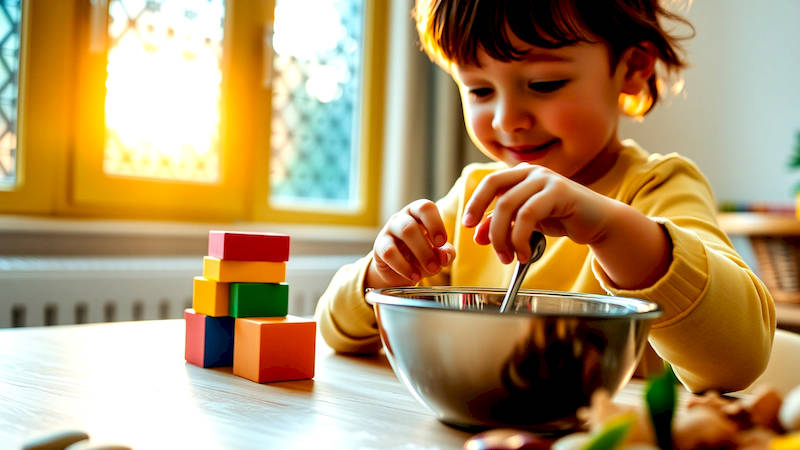
The transition to kindergarten is a significant milestone for both children and parents. It marks a leap into a more structured learning environment with increased academic and social expectations. While preschool provides a fantastic foundation, the kindergarten classroom operates with a different pace and set of demands. Many parents understandably worry about ensuring their child is fully prepared – not necessarily academically advanced, but equipped with the skills and confidence to navigate this new chapter successfully. The good news is, preparation doesn't require expensive programs or overwhelming pressure. Simple, intentionally designed activities mirroring the kindergarten experience can make a world of difference in easing this transition and setting your child up for a positive start.
This article will delve into practical, classroom-style activities parents can implement at home to help their preschoolers flourish in kindergarten. We'll focus on key skill areas—literacy, math, social-emotional development, and fine/gross motor skills—breaking down each into manageable, engaging exercises. It’s about building competence and fostering a love of learning, not about rushing development. A successful kindergarten experience isn’t about knowing all the letters and numbers; it’s about possessing the foundational tools to learn them.
Building Early Literacy Skills: Beyond ABCs
Early literacy development extends far beyond simply recognizing the alphabet. Kindergarten classrooms place a strong emphasis on phonological awareness – the ability to recognize and manipulate the sounds of language – and pre-writing skills. Activities focusing on these areas are incredibly valuable. Start with rhyming games. Simple call-and-response rhyming (“Cat, hat, bat!”) or reading rhyming books aloud and pausing to have your child predict the next word are excellent ways to build this skill. Building a strong foundation in phonological awareness will profoundly influence reading success later.
Another beneficial activity is sound segmentation and blending. Say a simple word like “sun” and ask your child to identify the individual sounds: /s/ /u/ /n/. Then, reverse the process – say the sounds /c/ /a/ /t/ and ask your child to blend them together to form the word “cat.” Don’t worry about letter names at this stage; focus exclusively on the sounds. Consider using manipulatives like blocks or counters to represent each sound, providing a visual aid. This will help to reinforce the concept of distinct sounds within words.
Finally, dedicate time to pre-writing activities. These aren't about perfectly formed letters, but about developing the fine motor skills and hand-eye coordination necessary for writing. Activities like drawing, coloring, using playdough to roll “snakes,” and tracing shapes are all fantastic. Introduce letter formation gradually, focusing on one or two letters per week. Encourage your child to form the letters in sand, shaving cream, or with paint - creating multi-sensory learning experiences.
Laying the Math Foundation: Number Sense and More
Kindergarten math isn’t about memorizing complex equations. It’s about building a strong foundation in number sense – understanding the meaning of numbers and their relationships. A core component of this is subitizing, the ability to instantly recognize the quantity of a small group of objects without counting. Use everyday objects like buttons, toys, or snacks to practice. Present a set of 2-5 items and ask your child to tell you how many without counting.
Move beyond counting rote memorization and focus on one-to-one correspondence. Have your child line up objects (e.g., cars) with numbers written on paper. Ask them to place one car on each number. This reinforces the connection between the numeral and the quantity it represents. Additionally, introduce basic shapes and spatial reasoning. Activities like shape sorting, building with blocks, and describing the location of objects (“The ball is under the table”) all contribute to mathematical thinking.
Don't underestimate the power of incorporating math into daily routines. When setting the table, ask your child to count out the number of plates and cutlery needed. While baking, have them measure ingredients. These practical applications solidify mathematical concepts and demonstrate their relevance in the real world. Research shows that children who develop strong number sense early on tend to perform better in math throughout their academic careers.
Cultivating Social-Emotional Intelligence: The Cornerstone of Success
Academic skills are crucial, but social-emotional development is arguably even more important for kindergarten success. Children need to be able to regulate their emotions, interact positively with peers, and follow directions. Regularly practice identifying and naming emotions. Use books, puppets, or role-playing scenarios to discuss different feelings. Ask questions like, “How do you think the character is feeling?” or “What could we do to help someone who is sad?”
Encourage cooperative play. Provide opportunities for your child to play with others, emphasizing sharing, turn-taking, and communication. Model appropriate social behaviors yourself. Show your child how to resolve conflicts peacefully and express their needs respectfully. Having strong social-emotional skills isn’t merely about being “nice”. It’s about sustainable adaptability - knowing how to navigate interpersonal challenges in a constructive manner.
Incorporating “classroom rules” practice can also be beneficial. Explain basic classroom expectations – listening when others are speaking, raising your hand to ask questions, keeping your hands to yourself – and practice these at home. Pretend play can be especially effective here. Acting out a classroom scenario allows your child to rehearse these behaviors in a safe and supportive environment. "According to a study by the Collaborative for Academic, Social, and Emotional Learning (CASEL), effective social-emotional learning programs improve students’ academic performance by 11 percentile points.”
Fine and Gross Motor Skills: Building Physical Readiness
Kindergarten requires a certain level of physical development. Fine motor skills – the use of small muscles in the hands and fingers – are essential for tasks like writing, cutting, and buttoning. Continue to prioritize activities like drawing, coloring, puzzles, and building with LEGOs or blocks. Introduce age-appropriate cutting practice with safety scissors. Have your child practice stringing beads or using tongs to pick up small objects.
Gross motor skills – the use of large muscle groups – are equally important for playground activities, physical education, and general coordination. Ensure your child has ample opportunities for active play, such as running, jumping, climbing, and playing ball. Incorporate activities that promote balance and coordination, like riding a bike or scooter. Obstacle courses are an engaging way to challenge gross motor skills.
Remember that these skills are interconnected. Strong core muscles support fine motor control, while fine motor skills contribute to handwriting legibility. A balanced approach that addresses both fine and gross motor development is crucial. Furthermore, adapting activities to your child’s interests and abilities will increase their engagement and motivation.
Practicing Independence: Self-Help Skills for Confidence
Kindergarten teachers expect children to be relatively independent in several key self-help areas. Practicing these skills at home will significantly boost your child’s confidence and reduce anxiety. This includes independently putting on and taking off their coat, shoes, and sweater. They should also be able to manage their own belongings – packing and unpacking their backpack, organizing their materials.
Toilet independence is essential, including wiping and washing hands effectively. Encourage your child to practice these skills without assistance. Another crucial skill is opening and closing their lunch container and managing their own snacks. Provide opportunities for your child to practice these tasks daily, offering support and encouragement as needed.
Finally, teach your child how to ask for help appropriately. It’s perfectly acceptable for them to need assistance, but they should learn to communicate their needs clearly and respectfully. Role-playing scenarios can be helpful here. For example, practice what your child might say to a teacher if they need help with a task. This proactive approach empowers them to advocate for themselves and fosters a sense of self-reliance.
In conclusion, preparing your preschooler for kindergarten isn’t about drilling them with academics. It’s about nurturing their holistic development and equipping them with the skills and confidence they need to thrive in a new learning environment. By incorporating these simple, classroom-style activities into your daily routine, you can help your child make a smooth and positive transition to kindergarten. Remember to focus on making learning fun, celebrating effort, and fostering a lifelong love of education. The kindergarten classroom is an exciting adventure, and with a little preparation, your child will undoubtedly be ready to shine. Don't be afraid to connect with your child’s future kindergarten teacher to ask about specific expectations or resources that might be helpful. The key takeaway is intentional preparation, grounded in play and positive reinforcement.
Deja una respuesta