
Effective Techniques for Building Listening Skills in Young Children
Listening is often considered the foundational skill for all other forms of communication. Yet, in our fast-paced world, truly listening – actively engaging with and understanding what another person is saying – is becoming increasingly rare, even for adults. For young children, however, developing strong listening skills isn't just about polite conversation; it's fundamentally linked to their cognitive, social, and emotional development. It lays the groundwork for academic success, strong relationships, and a confident sense of self. This article will delve into effective techniques parents and caregivers can utilize to nurture this crucial skill in young children, moving beyond simply asking them to “listen” and towards fostering a genuine love of connection through attentive hearing.
The importance of early listening skills extends far beyond the classroom. Children who are good listeners tend to have better problem-solving abilities, demonstrate greater empathy, and manage their emotions more effectively. They’re also more likely to form secure attachments with caregivers, which is vital for healthy social-emotional development. Conversely, difficulties with listening can lead to frustration, behavioral issues, and challenges in learning. Therefore, investing time and effort in cultivating this skill early on provides a significant return in a child’s overall well-being. This isn't merely about obedience; it's about creating a collaborative, understanding environment.
Creating a Listening-Rich Environment
A child learns to listen within the context of their environment. Too often, modern homes are filled with competing stimuli – television, music, mobile notifications, and busy schedules. A first crucial step towards building listening skills is intentionally creating an environment that prioritizes quiet moments and focused attention. This doesn’t mean eliminating all sounds or excitement, but rather carving out dedicated times for mindful interaction. This might mean turning off the TV during mealtimes or establishing a "quiet time" each day for reading or simply being together.
Beyond minimizing distractions, actively model good listening yourself. Children are remarkably adept at observational learning. If you frequently interrupt others, finish their sentences, or seem preoccupied when they’re talking, they will likely mimic those behaviors. Demonstrate genuine interest in what your child has to say, make eye contact, and offer verbal affirmations like “That’s interesting” or “Tell me more.” This demonstrates the value you place on listening and provides a blueprint for their own interactions. It’s about demonstrating the process of listening, not simply demanding the outcome.
Finally, consider the physical space. Arrange seating so you can comfortably face your child during conversations, promoting eye contact and non-verbal communication. Eliminate barriers, like tables, that might create distance. A cozy and inviting atmosphere can encourage children to open up and share, making listening a more natural and enjoyable experience for both of you. A child psychologist, Dr. Laura Markham, emphasizes that “connection before correction” is vital; a child is far more likely to listen when they feel truly understood and valued.
The Power of Playful Listening Games
Learning shouldn't always feel like work. Incorporating playful activities into your routine is a fantastic way to develop listening skills without direct instruction. One simple game is “Simon Says,” which requires children to carefully listen to instructions and only act when preceded by the phrase “Simon says.” This builds attentiveness and the ability to follow multi-step directions. Another variation is “Follow the Leader,” again emphasizing attentive hearing and mimicking actions.
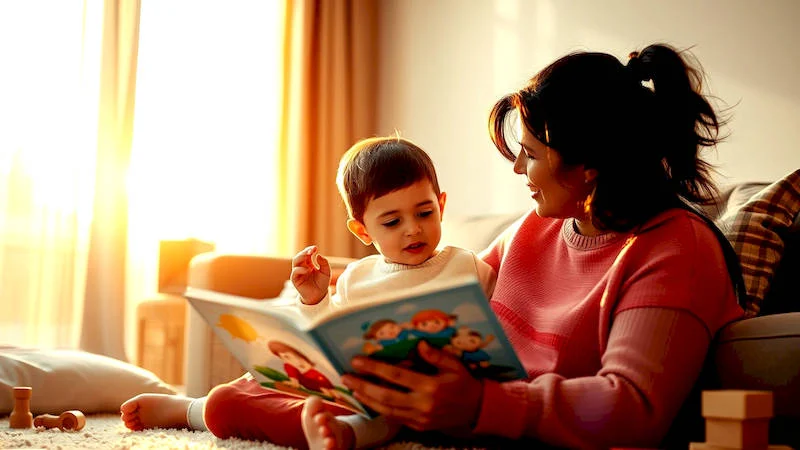
Storytelling also offers a rich opportunity for listening practice. Read aloud to your child, and then ask them questions about the story – not just factual recall questions like “What was the character’s name?” but also inferential questions like “How do you think the character felt?” or “What might happen next?” This encourages them to actively process the information they’ve heard and develop their comprehension skills. Furthermore, invite your child to tell you stories, even if they’re simple or fantastical. Resist the urge to interrupt or correct; simply listen attentively and offer encouragement.
A fun activity tailored for younger children (ages 2-4) is "Sound Safari." Make different sounds (animal noises, household objects) and have them identify what they heard. You can adjust the difficulty by varying the volume, or adding background noise. This develops auditory discrimination and strengthens the connection between sound and meaning. These games aren't just about fun; they're sneakily building foundational skills.
Using Instructions Effectively: Clarity and Simplicity
How we give instructions directly impacts a child’s ability to follow them. Overly complex or lengthy instructions can overwhelm a young child, leading to frustration and non-compliance. Break down tasks into simple, age-appropriate steps. Instead of saying, “Please go get your shoes, coat, and backpack and meet me by the door,” try “First, get your shoes. Then, get your coat. Last, grab your backpack and come to the door.”
Furthermore, be mindful of your tone of voice. A harsh or demanding tone can shut down listening, while a calm and respectful tone encourages cooperation. Get down to your child’s level, make eye contact, and use a gentle but firm voice. Before giving instructions, ensure you have their attention. A quick, “Can you look at me, please?” can make a significant difference. Repeatedly calling out instructions from another room is often ineffective and teaches children to tune out your voice.
Consider using visual cues alongside verbal instructions, especially for younger children. Pictures or gestures can reinforce understanding. For example, when asking them to put away their toys, you could point to the toy bin. Also, offering a short waiting period after giving instructions can be helpful. Give them a few moments to process the information before expecting a response. This is particularly important for children who need extra time to process information.
The Art of Reflective Listening
Reflective listening is a powerful technique that demonstrates to your child that you are truly hearing and understanding them. It involves paraphrasing what they’ve said, using your own words to summarize their thoughts and feelings. For example, if your child says, “I’m mad because my tower fell down!”, you might respond, “So you’re feeling really frustrated that your tower collapsed after you worked so hard on it.”
This technique accomplishes several things. First, it validates your child’s emotions, letting them know that their feelings are important and acknowledged. Second, it clarifies your understanding, giving them an opportunity to correct you if you’ve misinterpreted something. Third, it models good listening skills, encouraging them to practice the same technique in their own interactions. This isn't about agreeing with their feelings, but about acknowledging them.
Be mindful of your body language while practicing reflective listening. Maintain eye contact, nod to show you’re engaged, and avoid interrupting. A common mistake is to jump in with solutions before fully understanding the problem. Resist this urge and focus on simply listening and reflecting their feelings. This can be challenging, but it’s a crucial step in building a strong and trusting relationship.
Addressing Listening Challenges and When to Seek Help
It’s important to acknowledge that some children may struggle with listening due to underlying issues. Potential contributors include attention difficulties, auditory processing disorders, or language delays. If you consistently notice that your child has difficulty following instructions, frequently misinterprets what you say, or seems genuinely unable to focus during conversations, it’s worth investigating further.
Start by discussing your concerns with your pediatrician. They can rule out any medical causes and recommend further evaluation if necessary. An audiologist can assess your child’s hearing and identify any potential auditory processing issues. A speech-language pathologist can evaluate their language skills and provide targeted interventions if needed.
It's also crucial to remember that children develop at different rates. While some children may naturally be more attentive listeners, all children can benefit from consistent practice and a supportive environment. Patience, understanding, and a willingness to adapt your approach are key. Remember that building listening skills is a journey, not a destination.
Conclusion: A Lifelong Skill
Developing strong listening skills in young children is not merely about achieving short-term compliance; it’s about laying the foundation for a lifetime of successful communication, healthy relationships, and confident self-expression. By actively creating a listening-rich environment, incorporating playful activities, refining our instructional techniques, and practicing reflective listening, we can empower our children to become attentive, empathetic, and engaged communicators.
The key takeaways are to prioritize focused interactions, model good listening yourself, break down instructions into simple steps, validate your child’s feelings, and seek professional help when needed. Cultivating this skill is an investment in your child’s future, providing them with a powerful tool for navigating the complexities of life. Start today with small, consistent steps and watch as your child’s listening skills – and your connection with them – flourish. It's about building bridges with words, understanding each other, and creating a world where every voice is truly heard.
Deja una respuesta