
DIY Sensory Bins to Boost Toddler Cognitive Skills
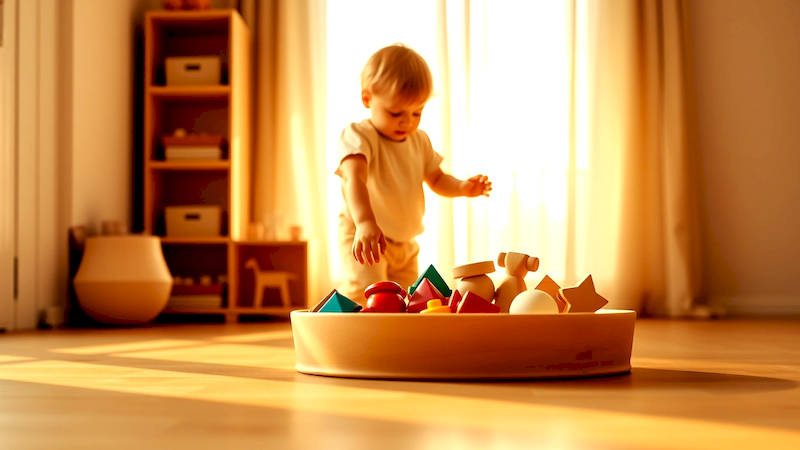
The early years of a child's life are a period of incredible brain development. As parents, we’re constantly seeking enriching activities that nurture this growth. While flashy toys often grab attention, some of the most powerful learning tools are surprisingly simple – and often found right in our kitchens! Sensory bins, containers filled with materials designed to stimulate a child's senses, offer a remarkable opportunity to enhance cognitive skills in toddlers. They’re more than just messy fun; they’re carefully constructed learning environments that foster problem-solving, creativity, and fine motor development. This article will delve into the benefits of sensory bins, offering detailed guidance on creating them, adapting them for different developmental stages, and understanding how to maximize their impact on your toddler’s cognitive growth.
These hands-on experiences move beyond traditional learning, engaging multiple senses simultaneously. This multisensory approach promotes deeper understanding and retention, fundamental for cognitive development. A typical toy might engage one sense at a time, but a sensory bin involving rice, scoops, and small toys engages touch, sight, and even sound. Dr. Angela Duckworth, a renowned psychologist and author of Grit, emphasizes the importance of play in building resilience and fostering a love of learning. Sensory bins perfectly embody this principle – they provide a safe space for exploration, experimentation, and, inevitably, a bit of joyful chaos, all of which contribute to a toddler's cognitive and emotional growth.
Furthermore, sensory bins are remarkably adaptable and budget-friendly. You don’t need expensive equipment or specialized materials; they can be created using everyday household items. This accessibility makes them a valuable tool for all parents, regardless of their resources. Beyond the cognitive benefits, sensory play is also known to have a calming effect on toddlers, providing a welcome sensory outlet that can help regulate emotions and reduce anxiety. This article will equip you with the knowledge to harness the power of sensory bins and transform a simple container into a powerful tool for your child’s intellectual and emotional wellbeing.
- Understanding the Cognitive Benefits of Sensory Play
- Choosing the Right Base Materials for Your Sensory Bin
- Adding Objects & Tools to Enhance Exploration
- Adapting Sensory Bins for Different Developmental Stages
- Safety First: Essential Considerations & Supervision
- Conclusion: Unleashing Your Toddler’s Potential Through Sensory Exploration
Understanding the Cognitive Benefits of Sensory Play
Sensory play isn't simply about keeping a toddler occupied; it's a crucial component of cognitive development. From a neurological perspective, the brain thrives on stimulation. When a child explores different textures, shapes, and sizes within a sensory bin, they’re creating and strengthening neural pathways. This process is particularly vital for developing crucial cognitive skills such as problem-solving, spatial reasoning, and early mathematical concepts. For example, filling and emptying containers with rice encourages an understanding of volume and capacity, while sorting objects by color or shape introduces foundational math skills.
The benefits extend beyond specific skill sets. Sensory play nurtures creativity and imagination. When presented with open-ended materials, toddlers are encouraged to invent their own games and scenarios, sparking imaginative play. This freedom to explore and experiment without predefined rules fosters critical thinking and adaptability – skills that are increasingly important in today’s rapidly changing world. Case studies in early childhood education consistently show that children who engage in regular sensory play demonstrate improved attention spans, enhanced memory, and a stronger ability to focus. This isn't just anecdotal evidence; research supports the link between sensory stimulation and improved cognitive function.
Moreover, sensory bins encourage language development. As toddlers interact with the materials, parents and caregivers can narrate the experience, labeling objects, describing textures, and asking open-ended questions. “What does the rice feel like?" or “Can you find the red car?” these simple interactions expose children to new vocabulary and help them develop their expressive language skills. This constant dialogue not only enriches their understanding of the world around them but also strengthens the bond between parent and child.
Choosing the Right Base Materials for Your Sensory Bin
The foundation of any good sensory bin is, naturally, the base material. This is the substance that fills the bin and provides the primary sensory experience. The options are vast, ranging from dry goods like rice, pasta, beans, and oatmeal to natural elements like sand, water, and even crushed ice. The choice of base material should be guided by your child’s age, developmental stage, and any potential allergies or sensitivities. For younger toddlers (12-18 months), larger materials like cooked pasta or large beans are safer, as they pose less of a choking hazard. Older toddlers (18-36 months) can usually handle smaller materials like rice or sand with close supervision.
It’s crucial to consider the sensory qualities of each material. Rice offers a fine, flowing texture that's excellent for scooping and pouring. Beans provide a more substantial feel and are good for developing fine motor skills. Sand, especially kinetic sand, is a versatile option that can be molded and shaped. Water bins are particularly popular, offering a different kind of sensory experience. When selecting a base material, also think about the potential for mess. Rice and sand can be particularly prone to scattering, so it's best to set up the bin in an easily cleanable area. A large plastic bin with high sides can help contain the mess, as can a waterproof play mat underneath.
Safety is paramount. Always supervise your child during sensory play, regardless of the base material used. Avoid materials that are toxic or pose a choking hazard. If your child has any allergies, be sure to choose materials that are free of allergens. A good rule of thumb is to avoid anything that can easily be ingested in large quantities.
Adding Objects & Tools to Enhance Exploration
Once you’ve chosen a base material, it’s time to add objects and tools to enhance the sensory experience and further stimulate cognitive development. These additions should be age-appropriate and offer a variety of textures, shapes, and sizes. Consider incorporating items that encourage scooping, pouring, sorting, and building. Small cups, spoons, tongs, and funnels are excellent tools for developing fine motor skills and hand-eye coordination. For example, adding a set of measuring cups to a rice bin encourages an understanding of volume and capacity.
The objects you include can also be themed to spark imagination. A farm-themed bin might include plastic farm animals, miniature tractors, and a small barn. A construction-themed bin could feature toy trucks, building blocks, and small cones. These themed bins provide a context for play and encourage storytelling. Natural objects like rocks, pinecones, and leaves can also be added to provide a different sensory experience. Remember to choose objects that are safe and non-toxic. Avoid anything with sharp edges or small parts that could be a choking hazard.
The key is to provide a balance of open-ended materials – things that can be used in a variety of ways – and more structured items that encourage specific skills. Don’t feel the need to fill the bin to the brim; a little space allows for more creative exploration. Rotating the objects and tools regularly keeps the bin fresh and engaging, preventing boredom and encouraging continued learning.
Adapting Sensory Bins for Different Developmental Stages
A sensory bin that's perfect for a 15-month-old will likely be too simple for a 24-month-old. It’s essential to adapt the bin's complexity to your child’s current developmental stage. For the youngest toddlers (12-18 months), focus on simple sensory experiences with large, safe materials. A bin filled with cooked pasta and a few large balls is a good starting point. The emphasis should be on exploration and sensory discovery. Avoid introducing too many objects or tools at once, as this can be overwhelming.
As your child gets older (18-24 months), you can start to introduce more complex materials and tools. Rice, beans, and sand are good options. Add scoops, cups, and small toys for them to manipulate. Introduce simple sorting activities, such as asking them to find all the red objects or all the cars. At this stage, they’re also starting to develop more complex imaginative play, so themed bins can be particularly engaging.
For toddlers aged 24-36 months, the possibilities are endless. You can introduce more challenging materials like water beads (with very close supervision) or kinetic sand. Add small building blocks, puzzles, and writing tools to encourage problem-solving and creativity. Introduce open-ended questions that encourage them to think critically and articulate their ideas. “What would happen if we mixed the water and sand?” or “Can you build a tower that’s taller than your hand?” Remember to continually observe your child's engagement and adjust the bin's contents accordingly.
Safety First: Essential Considerations & Supervision
While sensory bins offer incredible benefits, safety must always be the top priority. The potential for choking hazards is a primary concern, particularly for younger toddlers. Always supervise your child during sensory play and choose materials that are age-appropriate. Avoid small objects that they could easily swallow. If you're using small objects like beads or buttons, ensure they are securely attached to a larger item or used under constant, direct supervision.
Allergies are another crucial consideration. If your child has any allergies, be sure to choose materials that are free of allergens. Avoid using food items if there is a risk of an allergic reaction. Even materials that are generally considered safe, like wheat or corn, can cause problems for children with sensitivities. Proper hygiene is also important. Encourage your child to wash their hands before and after playing with the sensory bin. Regularly clean the bin itself to prevent the spread of germs.
Finally, be mindful of potential messes. Sensory bins can be messy, so it's best to set them up in an easily cleanable area. A large plastic bin with high sides can help contain the mess, as can a waterproof play mat underneath. Accept that some mess is inevitable and embrace it as part of the learning process. The joy and cognitive benefits of sensory play far outweigh the inconvenience of a little cleanup.
Conclusion: Unleashing Your Toddler’s Potential Through Sensory Exploration
DIY sensory bins are a remarkably effective and accessible tool for boosting your toddler's cognitive skills. They provide a multisensory learning experience that fosters problem-solving, creativity, fine motor development, and language acquisition. By carefully selecting base materials and incorporating engaging objects and tools, you can create a dynamic and enriching play environment that supports your child’s intellectual and emotional growth. Remember to adapt the bin's complexity to your child’s developmental stage and prioritize safety above all else.
The beauty of sensory bins lies in their adaptability and simplicity. They require minimal resources and can be tailored to your child’s interests and abilities. Start with a simple bin and observe how your child interacts with the materials. Use their responses to guide your future creations. Don’t be afraid to experiment and have fun! By embracing the power of sensory play, you’re not just providing your toddler with a fun activity – you’re laying the foundation for a lifetime of learning and exploration. To start, gather a plastic bin, choose a base material appropriate for your toddler's age, and add a few simple tools and objects. Observe, engage, and enjoy the journey of discovery with your little one!
Deja una respuesta