
Practical Tips for Teaching Children About Kindness and Compassion
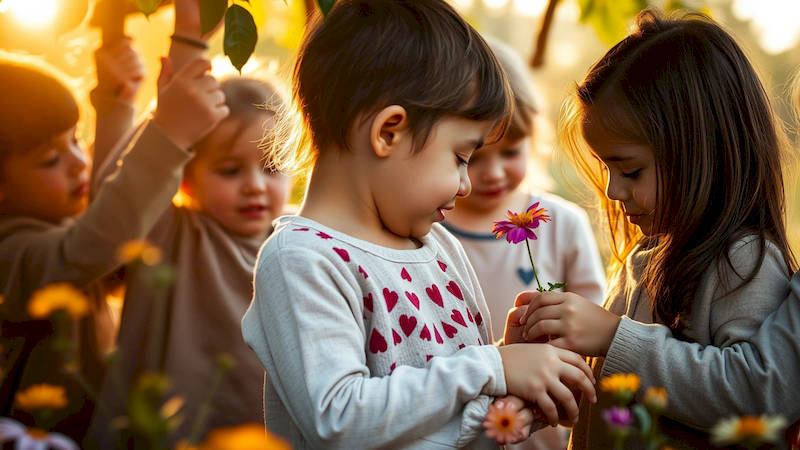
In a world often characterized by division and self-interest, nurturing kindness and compassion in children is more vital than ever. These aren't merely ‘nice-to-have’ qualities; they are foundational skills for building strong relationships, fostering emotional well-being, and creating a more just and harmonious society. Children who demonstrate kindness aren’t just benefitting others – research shows they experience increased happiness, reduced stress, and improved prosocial behavior themselves. This article delves into actionable strategies parents and caregivers can employ to actively cultivate these crucial qualities in the next generation.
Teaching kindness isn’t a one-time lesson, but rather an ongoing process woven into the fabric of daily life. It requires conscious effort, consistent modeling, and a willingness to use everyday moments as opportunities for learning. While inherent temperaments play a role, kindness and compassion are skills that can be learned and strengthened, much like reading or writing. Ignoring the development of these skills can have consequences; studies demonstrate a correlation between a lack of empathy and increased aggression and bullying behaviors.
This article will provide a comprehensive guide to understanding and fostering kindness and compassion in children, offering practical tools and insights to help them become empathetic, caring individuals capable of making a positive impact on the world around them. We'll move beyond simply telling children to "be nice" and explore nuanced strategies that build genuine understanding and prosocial behaviors.
- Modeling Kindness: The Power of "Walk Your Talk"
- Cultivating Empathy: Stepping Into Another's Shoes
- Practicing Active Listening & Validation
- Encouraging Acts of Kindness: From Small Gestures to Meaningful Contributions
- Addressing Difficult Situations: Kindness in the Face of Conflict
- The Importance of Self-Compassion
- Conclusion: Nurturing a Kind Future
Modeling Kindness: The Power of "Walk Your Talk"
Children are exceptional observers, and their earliest lessons in behavior are often learned through imitation. Therefore, the most powerful tool you have in teaching kindness and compassion is to be kind and compassionate yourself. This goes beyond grand gestures; it encompasses the small, daily interactions – how you speak to your partner, how you treat service staff, how you react when someone makes a mistake. If you consistently demonstrate empathy, respect, and generosity, your children will internalize these values as normal and desirable. Consider the impact of consistently offering help to neighbors, volunteering time, or even simply using polite language. These actions build a strong foundation for compassionate behavior.
Many parents underestimate the profound effect of their own emotional regulation. Reacting with anger or frustration when faced with challenges models unhealthy coping mechanisms. Instead, demonstrate self-compassion and resilience. When you make a mistake, acknowledge it, apologize, and show how you learn from it. This teaches children that making mistakes is a part of life and that treating oneself with kindness is essential. It’s about showing vulnerability alongside strength, demonstrating that it’s okay to have feelings and to ask for support.
The goal isn't perfection – no one is kind and compassionate all the time. It’s about consistency and intentionality. When you slip up (and you will), acknowledge it to your child. Saying, “I was frustrated and I didn’t speak to your father very kindly. I should have been more patient,” demonstrates accountability and provides a valuable teachable moment. It conveys that even adults are learning and growing in their ability to be kind.
Cultivating Empathy: Stepping Into Another's Shoes
Empathy, the ability to understand and share the feelings of another, is the cornerstone of both kindness and compassion. It’s more than just recognizing that someone is sad; it's actively trying to understand why they are feeling sad and experiencing the world from their perspective. A crucial step to developing empathy is encouraging children to label and talk about their own feelings. When they can identify what they are feeling, they're better equipped to recognize those same emotions in others. Regularly asking, “How do you think that made him feel?” or “What might she be thinking right now?” fosters this crucial skill.
Beyond simply asking about feelings, expose children to diverse perspectives through stories, books, and real-life interactions. Choose narratives that feature characters from different backgrounds, cultures, and with varying abilities. Discuss these stories, prompting children to consider the characters' motivations, challenges, and emotions. Role-playing can also be incredibly effective. Acting out scenarios where they must take on the role of someone else allows them to experience the situation from a different viewpoint. For example, one family practiced roleplaying what it might be like to be the new student in class, or to have difficulty completing a task.
Consider the impact of media exposure. Discuss the feelings of characters in movies and television shows, and be mindful of the messages conveyed. Dr. Brené Brown, a leading researcher on vulnerability and empathy, emphasizes the importance of "perspective-taking," which she defines as the ability to recognize that others' experiences may be different from our own. Prioritize media that celebrates diversity and fosters understanding.
Practicing Active Listening & Validation
Often, the simplest acts of kindness – truly listening to someone and validating their feelings – are the most profound. Active listening involves giving someone your full attention, making eye contact, and responding in a way that shows you understand what they are saying. This is more than just hearing the words; it’s about hearing the emotion behind the words. Avoid interrupting, offering unsolicited advice, or minimizing their feelings. Instead, paraphrase what they said to ensure you understand ("So, it sounds like you’re feeling really frustrated because…") and ask clarifying questions ("Can you tell me more about that?").
Validation is equally crucial. It doesn't mean you agree with someone's actions or beliefs; it means acknowledging and accepting their feelings as legitimate. Phrases like, “That sounds really hard,” or “It's okay to feel sad,” can be incredibly powerful. Avoid dismissive statements like, "You shouldn't feel that way" or "Just get over it." These responses invalidate their experience and shut down communication. Children need to feel safe expressing their emotions without judgment.
This skill requires patience and practice. It’s easy to fall into the trap of immediately offering solutions, but resisting that urge and simply providing a listening ear can be far more helpful. Create a designated “feelings check-in” time each day, where family members can share how they’re feeling without interruption. Encourage your child to practice active listening with siblings or friends.
Encouraging Acts of Kindness: From Small Gestures to Meaningful Contributions
Kindness isn’t just about warm feelings; it’s about translating those feelings into actions. Help your children identify concrete ways they can show kindness to others, starting with small, manageable gestures. This could be anything from offering to help a sibling with a chore, writing a thank-you note to a teacher, or simply offering a compliment to a friend. Focus on the process, not the outcome. The intention behind the act of kindness is just as important as the act itself.
As children grow, encourage them to engage in more meaningful contributions to their community. This could involve volunteering at a local soup kitchen, participating in a cleanup event, or raising money for a cause they care about. These experiences not only benefit others but also foster a sense of purpose and responsibility in your child. One family created a "kindness jar" where they wrote down ideas for acts of kindness, and then randomly selected one to complete each week.
Avoid rewarding kindness with material possessions. While it's natural to want to praise your child for being kind, offering a reward can subtly shift the motivation from genuine compassion to seeking external validation. Instead, focus on verbal praise and acknowledge the positive impact of their actions ("That was so thoughtful of you to help your friend. It made her day!"). Highlight how their kindness made someone feel, emphasizing the emotional connection.
Addressing Difficult Situations: Kindness in the Face of Conflict
Learning to navigate conflicts with kindness and compassion is a critical life skill. It’s easy to be kind when things are going well, but it’s far more challenging to respond with empathy and understanding when you’re feeling hurt, angry, or frustrated. Teach your children healthy conflict resolution strategies, focusing on expressing their needs and feelings respectfully, listening to the other person's perspective, and finding mutually acceptable solutions.
When faced with difficult situations – bullying, exclusion, or unfairness – encourage your child to respond with assertiveness, not aggression. This means standing up for themselves and others in a respectful manner, while avoiding hurtful words or actions. Role-playing these scenarios can be incredibly helpful. Help them practice phrases like, "I don’t like it when you say that," or "Please stop doing that."
It's important to validate your child's feelings of anger or hurt, but also to help them understand that responding with kindness and compassion doesn't mean condoning the other person's behavior. It means choosing to respond in a way that aligns with their values and contributes to a positive outcome. Teach them that sometimes the kindest thing to do is to disengage from a toxic situation and seek help from a trusted adult.
The Importance of Self-Compassion
Finally, and fundamentally, teaching children kindness must be paired with teaching them self-compassion. Often, we emphasize being kind to others while neglecting the importance of being kind to ourselves. Self-compassion involves treating yourself with the same care, understanding, and acceptance that you would offer a loved one. This includes acknowledging your imperfections, accepting your mistakes, and practicing self-care.
Children who struggle with self-compassion are more likely to be overly critical of themselves, experience anxiety and depression, and have difficulty forming healthy relationships. Encourage your child to practice positive self-talk, to focus on their strengths, and to celebrate their accomplishments. Model self-compassion yourself by openly acknowledging your own imperfections and practicing self-care.
This isn’t about letting children off the hook for their actions, but about creating a safe space for them to learn and grow. Help them understand that making mistakes is a natural part of life and that self-compassion is essential for resilience and emotional well-being.
Conclusion: Nurturing a Kind Future
Teaching children kindness and compassion is a lifelong journey, not a destination. It requires consistent effort, intentionality, and a willingness to model the behaviors you want to see in your children. By prioritizing empathy, active listening, and acts of kindness, and by fostering self-compassion alongside outward compassion, you are equipping your children with the essential skills they need to thrive – not just as individuals, but as contributing members of a more compassionate and just world.
Remember that small, consistent actions are more powerful than grand gestures. Focus on creating a home environment where kindness is valued, practiced, and celebrated. The investment you make in nurturing kind hearts today will pay dividends for generations to come, fostering a ripple effect of positivity and compassion that extends far beyond your family. The actionable next steps are simple: start modeling kindness, engage in conversations about feelings, and deliberately look for opportunities to practice empathy and compassion each day.
Deja una respuesta