
How to create a sensory calm-down corner for emotional regulation
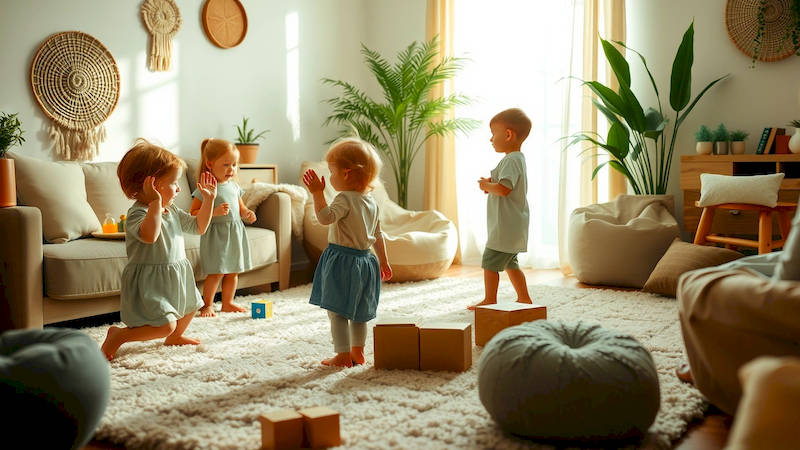
The modern child faces unprecedented levels of stimulation. From constant access to screens to packed schedules and academic pressures, their nervous systems are often in a state of heightened alert. This relentless input can overwhelm a child’s ability to regulate their emotions, leading to meltdowns, anxiety, and behavioral difficulties. While parenting strategies focusing on direct emotional coaching are critical, providing a dedicated physical space designed to promote self-regulation – a sensory calm-down corner – provides an invaluable tool for children to independently manage their overwhelming feelings. This isn’t about ‘time-out’ as punishment; it’s about proactively equipping children with the resources to soothe themselves and return to a state of emotional equilibrium.
A sensory calm-down corner leverages the principles of sensory processing and integration. Every child processes sensory information – sights, sounds, smells, tastes, touch, and proprioception (body awareness) – differently. Some children are ‘sensory seeking,’ constantly needing more input, while others are ‘sensory avoiding,’ feeling overwhelmed by even typical stimuli. Understanding your child’s unique sensory profile is crucial when designing this space. The goal isn't to eliminate all stimulation, but to offer a curated collection of tools and textures that facilitate grounding, self-soothing, and a return to a regulated state. A well-designed calm-down corner provides a safe, inviting haven where children can proactively retreat before emotional escalation.
- Understanding Sensory Processing and Emotional Regulation
- Choosing the Right Location and Setting the Foundation
- Stocking the Sensory Toolkit: Essential Items
- Teaching Your Child How to Use the Calm-Down Corner
- Promoting Independence and Adaptive Use
- Addressing Potential Challenges & Adapting Over Time
- Conclusion: Cultivating Emotional Resilience
Understanding Sensory Processing and Emotional Regulation
Sensory processing, at its core, is how the brain receives, interprets, and responds to information from the senses. When this process is functioning optimally, we can navigate our environment with ease. However, difficulties in sensory processing are surprisingly common, affecting an estimated 1 in 20 children. These difficulties can manifest in a wide range of ways, including hypersensitivity to sounds, textures, or lights; difficulty with body awareness and coordination; or a constant need for movement. These sensitivities can significantly impact a child’s ability to manage their emotions. A child overwhelmed by bright lights and loud noises, for example, is less likely to respond calmly to a frustrating situation.
The link between sensory processing and emotional regulation is deeply rooted in neuroscience. The amygdala, the brain’s emotional center, is heavily influenced by sensory input. When the amygdala is overstimulated by sensory bombardment, it can trigger a fight-or-flight response, leading to dysregulation. Conversely, calming sensory input can “down-regulate” the amygdala, promoting feelings of safety and calm. This is why rocking, deep pressure, or listening to soothing music can be so effective in soothing an upset child. A calm-down corner leverages this connection by providing access to pre-selected sensory tools that help modulate the amygdala's activity.
Dr. Tina Payne Bryson, author of The Whole-Brain Child, emphasizes the importance of helping children develop their "upstairs brain," the part responsible for rational thought and emotional control. "A calm-down space allows a child to practice accessing that upstairs brain, even when they're feeling overwhelmed," she explains, "It’s about providing them with tools to self-regulate rather than simply suppressing their emotions."
Choosing the Right Location and Setting the Foundation
The location of your calm-down corner is paramount. It should be in a relatively quiet area of the house, away from high-traffic zones and major distractions like the television. A corner of a bedroom, a small unused closet, or even a partitioned-off section of a larger room can work well. The key is to create a sense of safety and privacy. Avoid placing it in areas that are typically associated with punishment, like facing a wall in the hallway. This will reinforce the idea that it's a positive, self-soothing space, not a consequence.
Once you’ve chosen the location, focus on creating a physically calming environment. Soft lighting is essential – a lamp with a dimmable bulb is ideal. Neutral colors, such as blues, greens, and grays, are generally more soothing than bright, stimulating colors. Consider adding a comfortable seating option, like a beanbag chair, a large floor cushion, or a small, cozy armchair. The use of textiles is vital. Incorporate soft blankets, cushions with different textures (velvet, fleece, corduroy), and a rug that feels good underfoot. “The tactile environment is incredibly important,” says occupational therapist, Sarah Jones. “Different textures can provide grounding and a sense of comfort. Allowing a child to choose textures they enjoy increases engagement and the likelihood they’ll use the space effectively.”
Finally, signaling that this corner is a special, dedicated space is important. A simple sign with the words "Calm-Down Corner" or "My Safe Space" can be helpful, especially for younger children. You can even involve your child in the creation of the sign, fostering a sense of ownership.
Stocking the Sensory Toolkit: Essential Items
The heart of a successful calm-down corner lies in the variety of sensory tools it offers. This toolkit should be tailored to your child's individual sensory profile. For children who are sensory seeking, consider items that provide proprioceptive input, like weighted blankets, resistance bands, or a small trampoline. These activities provide deep pressure and joint compression, which can be very regulating. Fidget toys, such as squishy balls, tangle toys, or stress balls, can also be helpful, allowing them to channel nervous energy.
For sensory-avoiding children, focus on items that are calming and grounding. These might include noise-canceling headphones, a weighted lap pad, or a smooth, cool stone to hold. Soft, slow-moving toys like lava lamps or water timers can be visually soothing. Books are an excellent addition, especially quiet, engaging stories or coloring books. Items like calming essential oils (lavender, chamomile) diffused carefully can also be helpful, but always check for allergies or sensitivities.
Don’t overwhelm the space with too many options initially. Start with a few key items and observe how your child interacts with them. You can always add more based on their preferences. An important note: Avoid incorporating anything that could be used to harm themselves or others. All items should be safe and age-appropriate.
Teaching Your Child How to Use the Calm-Down Corner
Simply setting up a calm-down corner isn’t enough; you need to explicitly teach your child how to use it. Start by introducing the space when your child is calm and receptive. Explain its purpose: “This is a special place where you can go when you’re feeling big emotions, like angry, sad, or overwhelmed. It’s a place where you can calm down and feel better.”
Model how to use the tools. Demonstrate how to take deep breaths while holding a stress ball, how to use the weighted blanket, or how to look at the water timer. Role-play different scenarios where your child might benefit from using the space. For example: "Imagine you're building with blocks and your tower falls over. What could you do? You could come to the calm-down corner and take some deep breaths.”
Importantly, don't send your child to the calm-down corner as a punishment. Instead, encourage them to go there voluntarily when they start to feel overwhelmed. You can say something like, "I notice you're getting really frustrated. Would you like to go to your calm-down corner for a little while?" Over time, the goal is for your child to recognize their own triggers and proactively seek out the space.
Promoting Independence and Adaptive Use
The ultimate goal is for your child to independently utilize the calm-down corner. This requires consistent support and encouragement. Start by gradually reducing your involvement. Initially, you might sit with your child in the corner to help them through the process. Then, you can sit nearby, offering verbal cues and support. Eventually, you should be able to trust your child to use the space independently.
Encourage them to explore different tools and strategies to find what works best for them. Ask open-ended questions like, “What helped you feel calmer this time?” or “How did that activity make you feel?” This fosters self-awareness and helps them develop a personalized toolkit. Consider creating a visual schedule or a "menu" of calm-down strategies they can choose from.
It’s also important to normalize using the calm-down corner. Let your child see you using similar strategies to manage your own stress. Modeling healthy coping mechanisms is one of the most effective things you can do as a parent.
Addressing Potential Challenges & Adapting Over Time
While incredibly beneficial, implementing a calm-down corner isn’t always seamless. Some children may resist using it, particularly if they associate it with punishment or feel ashamed of their emotions. If this happens, revisit the introduction to the space and emphasize its purpose as a safe and supportive tool. Be patient and avoid forcing them to use it.
Another challenge is that a child’s sensory needs can change over time. Regularly assess the effectiveness of the tools and adjust the contents of the corner accordingly. What worked well when your child was five may not be as effective when they're seven.
Finally, remember that a calm-down corner is not a one-size-fits-all solution. It’s a tool to be used in conjunction with other parenting strategies, such as teaching emotional literacy and providing consistent love and support.
Conclusion: Cultivating Emotional Resilience
Creating a sensory calm-down corner is a proactive investment in your child’s emotional wellbeing. It provides a safe, supportive space where they can learn to regulate their emotions, manage stress, and develop resilience. By understanding your child's unique sensory profile, carefully curating the space, and explicitly teaching them how to use it, you empower them with the tools they need to navigate the challenges of childhood and beyond. The key takeaways are to remember personalization is paramount – tailor the space to your child's needs, consistent modeling and encouragement are essential—show them how you regulate too, and flexibility is crucial—adapt the corner as your child grows and changes. Ultimately, a calm-down corner isn’t just about creating a quiet space; it’s about cultivating a sense of inner peace and emotional security in your child.
Deja una respuesta