
How to Childproof Your Kitchen: Essential Tips for Preventing Accidents
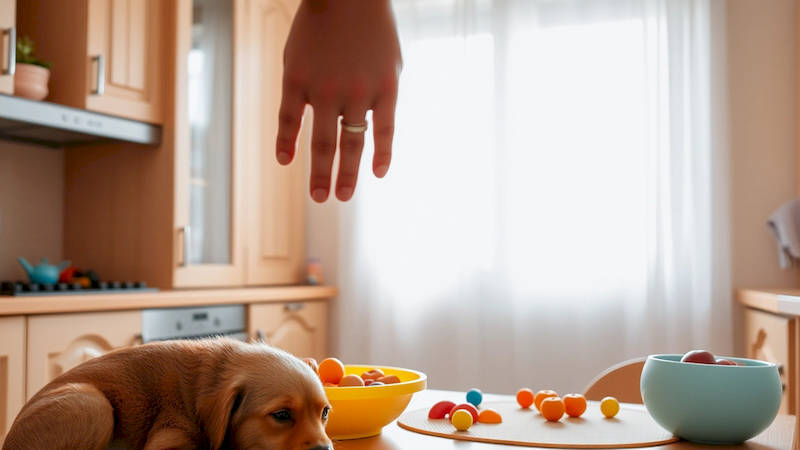
The kitchen, often hailed as the heart of the home, presents a unique and significant set of hazards for curious little ones. Beyond the obvious dangers of hot surfaces and sharp objects, the kitchen is a treasure trove of enticing – yet potentially dangerous – items, from cleaning supplies to small appliances. According to the National Safety Council, kitchen-related injuries account for a substantial portion of childhood accidents, highlighting the critical need for proactive childproofing measures. Ignoring these potential risks can lead to serious burns, poisoning, cuts, and falls, making a comprehensive safety assessment and implementation of preventative strategies paramount for every parent and caregiver.
Creating a safe kitchen environment isn’t simply about buying a few safety gadgets; it's about understanding child development, anticipating potential hazards from a child’s perspective, and consistently reinforcing safe behaviors. Children develop rapidly, and what may be safe for a 6-month-old isn’t necessarily safe for a toddler or preschooler. Regular reassessment of your childproofing efforts is therefore crucial. This article will delve into a detailed guide on how to effectively childproof your kitchen, equipping you with the knowledge and actionable steps to protect your little one and ensure peace of mind.
- Securing Cabinets and Drawers: The First Line of Defense
- Protecting Against Burns: Heat and Hot Substances
- Minimizing Fall Risks: Flooring and Stability
- Safeguarding Against Poisoning: Cleaning Supplies and Food Storage
- Appliance Safety: Cords, Sharp Edges, and Operation
- Continuous Vigilance and Education
Securing Cabinets and Drawers: The First Line of Defense
Cabinets and drawers are magnets for exploring hands, often containing cleaning products, sharp utensils, glass items, and medications – all posing substantial risks. The initial step in securing these areas is a thorough inventory of contents. Relocate any hazardous items to higher, inaccessible locations outside of the kitchen, if possible. For those that absolutely need to remain in the kitchen, robust child safety locks are essential. These come in various forms, including magnetic locks (activated by a special key), adhesive locks, and spring-loaded latches. Magnetic locks offer a discreet solution as they are hidden from view, making the cabinets appear unchanged to an inquisitive child.
When selecting locks, consider the age and dexterity of your child. A determined toddler might be able to manipulate simpler adhesive locks, so more robust options like magnetic locks or spring-loaded latches may be necessary. Furthermore, remember to inspect the locks regularly to ensure they are functioning correctly and haven’t been compromised. Don’t rely solely on locks either; teaching children about ‘off limits’ areas, even at a young age, can supplement physical barriers. A simple ‘no touch’ rule repeatedly enforced can be surprisingly effective.
Beyond the contents, consider the cabinets themselves. Lower cabinets, easily accessible to toddlers, require particular attention. Tools and hardware stored within these can prove especially dangerous. Adjustable cabinet mounts can also be employed to ensure cabinets are securely fastened to the wall, preventing potential tipping hazards, especially if a child attempts to climb on them. Addressing all levels, from floor-level cabinets to those within reach when standing on a chair, is vital for a complete safety strategy.
Protecting Against Burns: Heat and Hot Substances
Burns represent a significant hazard in the kitchen, stemming from hot stovetops, ovens, liquids, and steam. A primary preventative measure is the use of stove knob covers, preventing children from accidentally turning on burners. Equally important are oven lock mechanisms, which secure the oven door and prevent access to the interior. Back burners should always be utilized when possible, and pots and pans should be turned inwards, away from the edge of the stove, to minimize accidental spills.
Furthermore, establish a “kid-free zone” around the stove when cooking. This designated area should be clearly defined and reinforced with consistent reminders. Consider using a portable safety gate to physically block access to the cooking area, particularly when you’re actively engaged in food preparation. Hot liquids, like coffee or soup, should never be left unattended within reach of children. Employ insulated mugs and ensure they are placed well out of harm’s way.
It's crucial to educate children about the dangers of hot surfaces and liquids, emphasizing that they should never touch the stove, oven, or hot containers without adult supervision. Teach them the concept of "hot means no touch." A severe burn can cause lifelong scarring and emotional trauma. "According to the American Burn Association, nearly 73% of burn injuries to children under 5 occur in the home, with the kitchen being a primary location." Maintaining constant vigilance and practicing proactive safety measures are crucial in preventing these devastating injuries.
Minimizing Fall Risks: Flooring and Stability
Kitchens, often characterized by hard flooring and potential obstructions, present a heightened risk of falls. Area rugs, while adding warmth and comfort, can easily become tripping hazards. Secure rugs with non-slip pads or consider removing them altogether, especially during your child's early years of mobility. Ensuring clear pathways by removing clutter and keeping walkways unobstructed is equally vital. Avoid leaving toys, bags, or other items on the floor where they could cause someone to stumble.
Beyond the flooring, assess the stability of furniture and appliances. Tall or wobbly cabinets and shelves should be anchored to the wall to prevent them from tipping over if a child attempts to climb on them. This is particularly important in kitchens with open shelving. Regularly check the stability of appliances such as refrigerators and dishwashers, ensuring they are level and securely positioned.
Consider the presence of step stools. While essential for reaching high places, they can also contribute to falls if not used properly. Ensure the step stool is stable, has a non-slip surface, and is used under direct adult supervision. Teach children how to safely use a step stool, emphasizing the importance of facing it forward and maintaining three points of contact at all times.
Safeguarding Against Poisoning: Cleaning Supplies and Food Storage
The kitchen is a repository of substances that can be poisonous if ingested, including cleaning supplies, detergents, and certain foods. All cleaning products should be stored in locked cabinets, completely inaccessible to children. Never transfer cleaning solutions to unmarked containers, as this can lead to accidental ingestion. The original packaging serves as a critical warning label. Consider using child-resistant packaging for laundry detergent pods, which have become a significant poisoning risk for young children.
Certain foods, such as raw mushrooms, nuts, and unripe fruit, can also pose a poisoning hazard. Store these items securely and educate children about the dangers of consuming unknown or forbidden foods. Keep medications (even over-the-counter varieties) stored outside the kitchen altogether – ideally in a locked medicine cabinet in a separate room.
In the event of suspected poisoning, immediately contact the Poison Control Center (1-800-222-1222). Having this number readily available and prominently displayed in your kitchen can be life-saving. "The American Association of Poison Control Centers reports that approximately one million children under the age of six are accidentally poisoned each year, with a significant percentage of these incidents occurring in the kitchen." Proactive prevention and swift action are paramount in mitigating the risks associated with poisoning.
Appliance Safety: Cords, Sharp Edges, and Operation
Kitchen appliances, while convenient, present a variety of safety hazards. Appliance cords pose a strangulation risk and should be kept short and out of reach, or secured with cord shorteners. Keep appliances unplugged when not in use and be mindful of water near electrical outlets. Consider using outlet covers to prevent children from inserting objects into electrical sockets.
Sharp-edged appliances, like blenders and food processors, should be stored securely and locked away when not in use. Exercise extreme caution when operating these devices and never leave them unattended. Small appliances, such as toasters and coffee makers, should be placed on stable surfaces and away from the edge of the counter, to prevent accidental tipping.
Teach children about the dangers of appliance operation and emphasize that they should never touch or operate appliances without adult supervision. Explain why these tools are for adults only and that playing with them can be dangerous. Demonstrating safe appliance usage can also instill good habits.
Continuous Vigilance and Education
Childproofing the kitchen is not a one-time task; it’s an ongoing process that requires continuous vigilance and adaptation. As your child grows and develops new skills, you'll need to reassess their environment and adjust your safety measures accordingly. Regular inspections are vital to ensure that safety devices are functioning properly and that new hazards haven't emerged.
Consistent education is equally important. Continually reinforce safety rules and instructions with your child, making sure they understand the potential dangers in the kitchen. Lead by example, demonstrating safe behaviors yourself. A safe kitchen environment isn't just about physical precautions; it's also about fostering a culture of safety within your home.
In conclusion, childproofing your kitchen is a crucial undertaking for ensuring your child’s safety and well-being. From securing cabinets and drawers to protecting against burns and falls, implementing these essential tips can significantly reduce the risk of accidents and create a safer environment for your little one. Remember that consistent vigilance, ongoing education, and adapting your childproofing measures to your child's developmental stage are vital for long-term safety. By taking these proactive steps, you can transform your kitchen from a potential hazard zone into a safe space where cherished memories are made. The peace of mind knowing your child is protected is invaluable.
Deja una respuesta