
Building a Newborn’s Immune System Through Skin-to-Skin Contact
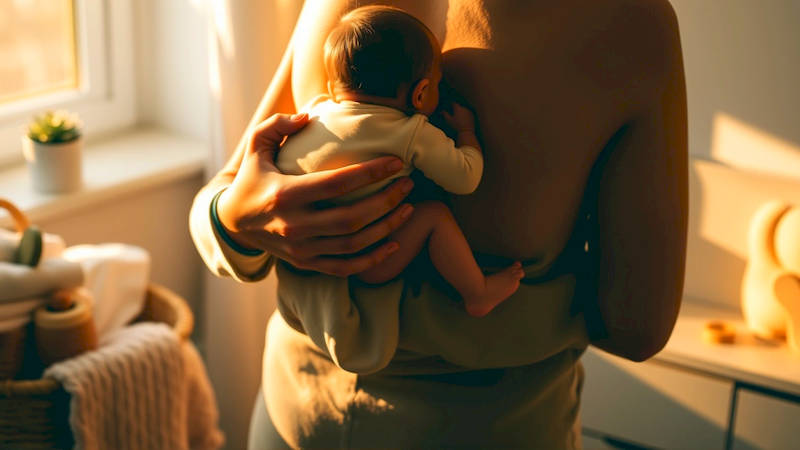
The arrival of a newborn is a deeply emotional and transformative experience. As parents, we instinctively want to protect our little ones from the world, a world teeming with potential threats to their delicate systems. While diligent hygiene and vaccination schedules are crucial, a powerful and often underestimated tool for bolstering a newborn’s immunity exists – skin-to-skin contact (SSC), also known as Kangaroo Mother Care (KMC). For generations, this practice has been intuitively embraced by mothers, but modern science is now validating its profound benefits, extending far beyond emotional bonding. This article delves deep into the science behind SSC, exploring how it actively builds a newborn’s immune system, providing a foundation for long-term health and resilience. We’ll move beyond the “feel-good” aspect to examine the physiological mechanisms at play, offering practical guidance for maximizing its benefits.
The human immune system isn’t fully developed at birth. A newborn’s immune cells are relatively naive, requiring exposure to microbes to ‘learn’ and build immunity. The sterile environment of the womb necessitates a rapid adaptation to the microbial world upon delivery. While some immunity is passed from mother to child during pregnancy, and through breast milk, SSC offers an immediate, powerful boost to this process. Understanding the complexities of this early immune development sheds light on why SSC is so much more than just a comforting gesture; it's a biologically vital interaction with the potential to significantly impact a child’s long-term health trajectory. The goal isn’t to eliminate exposure to microbes, but to present them in a way that facilitates healthy immune system development.
- The Microbiome and Initial Colonization: A Skin Deep Start
- Thermoregulation, Stress Reduction & Cortisol: The Physiological Symphony
- The Power of Breastfeeding Initiation and Lactoferrin
- SSC and Natural Killer (NK) Cell Activity: The First Line of Defense
- Optimizing Skin-to-Skin Contact: Practical Tips and Considerations
- Addressing Concerns and Counterarguments
- Conclusion: A Foundation for Lifelong Health
The Microbiome and Initial Colonization: A Skin Deep Start
The newborn microbiome – the community of microorganisms living on and inside the baby’s body – is profoundly influenced by initial contact. Before birth, the womb is largely considered sterile, but the birth process itself, and especially the immediate postpartum period, kickstarts the colonization of the baby’s skin, gut and respiratory tract. Skin-to-skin contact plays a critical role in this initial microbial seeding. The mother’s skin harbors a diverse and personalized microbiome, rich in beneficial bacteria, that transfers directly to the baby during SSC. This isn’t random; the mother’s microbiome is adapted to her environment, effectively offering the baby a 'starter kit' of microbes best suited for survival in their shared world.
Research indicates that babies born vaginally acquire a distinct microbiome compared to those delivered via Cesarean section. However, even for C-section babies, the benefits of SSC are demonstrable. Studies have shown that SSC can help initiate the colonization of the baby's skin with maternal bacteria, partially mitigating the differences seen between vaginal and C-section deliveries. This transfer isn't limited to bacteria; the mother's skin also contains a range of commensal fungi and viruses that contribute to the establishment of a robust and balanced microbiome. A diverse microbiome is fundamentally linked to immune function, as it trains the immune system to distinguish between harmless and harmful microbes.
Thermoregulation, Stress Reduction & Cortisol: The Physiological Symphony
Skin-to-skin contact isn’t solely about microbe transfer. It's a complex physiological interaction facilitating stable thermoregulation, stress reduction, and hormonal balance. Newborns struggle to regulate their body temperature independently, making them vulnerable to hypothermia. The mother’s body acts as an external regulator, maintaining a stable temperature for the baby. But beyond temperature control, SSC profoundly impacts the baby’s stress response system.
During SSC, the baby's cortisol levels – the ‘stress hormone’ – significantly decrease. High cortisol levels in newborns, particularly those resulting from the stress of birth, can suppress immune function. By reducing cortisol, SSC creates a physiological environment more conducive to immune cell development and activity. Furthermore, SSC promotes the release of oxytocin – often called the ‘bonding hormone’ – in both mother and baby. Oxytocin has powerful anti-inflammatory properties and is linked to improved immune function. According to a study published in Infant Mental Health Journal, early and consistent oxytocin release through SSC can positively influence the development of the baby’s stress response system, resulting in greater resilience throughout life.
The Power of Breastfeeding Initiation and Lactoferrin
Skin-to-skin contact is directly correlated with improved breastfeeding initiation and duration. A newborn instinctively searches for the breast during SSC, triggered by smell, touch, and movement. Early and successful breastfeeding is a critical component of immune system development. Breast milk isn't just nutrition; it’s a dynamic immune-boosting fluid packed with antibodies, immune cells, and bioactive factors like lactoferrin.
Lactoferrin, in particular, plays a vital role in immune defense. It binds iron, making it unavailable to harmful bacteria, and also directly exhibits antimicrobial activity. Studies demonstrate that breastfed babies exhibit lower rates of infection, respiratory illnesses, and allergies. Importantly, SSC facilitates the release of prolactin – the hormone responsible for milk production – leading to a more robust milk supply and increased transfer of these crucial immune factors. Even if direct breastfeeding isn't immediately possible, SSC encourages milk expression, ensuring the baby still benefits from the immune protection offered by colostrum and mature breast milk.
SSC and Natural Killer (NK) Cell Activity: The First Line of Defense
The innate immune system is the body’s first line of defense against pathogens, and Natural Killer (NK) cells are a key component. These cells recognize and destroy infected or cancerous cells without prior sensitization. Research has revealed that newborns exposed to regular skin-to-skin contact exhibit enhanced NK cell activity. This means their immune system is better equipped to quickly respond to threats and prevent infections from taking hold.
One study conducted at the University of British Columbia found that preterm infants who received Kangaroo Mother Care demonstrated significantly higher NK cell activity compared to those in conventional neonatal care. These findings are particularly relevant for preterm babies, who are at a higher risk of infection due to their underdeveloped immune systems. While more research is needed to fully elucidate the mechanisms involved, it’s hypothesized that the reduced stress and improved microbiome associated with SSC contribute to enhanced NK cell function. This demonstrates that SSC isn't just influencing passive immunity through antibody transfer; it's actively stimulating the baby’s innate immune capabilities.
Optimizing Skin-to-Skin Contact: Practical Tips and Considerations
Maximizing the benefits of SSC requires understanding the practical considerations. Ideally, SSC should begin immediately after birth, if possible, and continue for as long as the mother and baby desire. For vaginal deliveries, placing the baby directly on the mother’s chest and covering both with a warm blanket is the simplest approach. For Cesarean sections, SSC may be delayed slightly depending on the mother’s condition, but should still be prioritized as soon as medically safe.
Practical tips include: ensuring both mother and baby are dry; minimizing interruptions during the initial SSC period; and encouraging the father or other support person to participate in SSC as well. SSC isn’t limited to the immediate postpartum period; it can be continued at home, helping to regulate the baby’s emotions, promote bonding, and continue supporting immune development. Addressing potential anxieties about positioning or comfort is also important; healthcare professionals can provide guidance and support to ensure a positive experience.
Addressing Concerns and Counterarguments
Some might argue that focusing on SSC minimizes the importance of vaccinations or other standard medical interventions. This is a false dichotomy. SSC is complementary to these interventions, working to create a stronger foundation for the immune system to respond effectively to vaccinations. Furthermore, some healthcare environments may not fully support SSC due to staffing constraints or traditional protocols. Advocacy for increased awareness and implementation of SSC within healthcare settings is crucial. Concerns about maternal fatigue or discomfort can be addressed with proper support and positioning strategies. The benefits of SSC overwhelmingly outweigh the challenges when appropriate support and information are provided.
Conclusion: A Foundation for Lifelong Health
Skin-to-skin contact is far more than a comforting practice; it's a powerful biological intervention with profound implications for a newborn’s immune system development. By facilitating microbiome colonization, regulating stress hormones, promoting breastfeeding, and enhancing immune cell activity, SSC provides a crucial foundation for lifelong health and resilience. It proactively shapes the infant's immune landscape, preparing them to navigate the microbial world with strength and adaptability.
The key takeaways are clear: prioritize early and continuous skin-to-skin contact whenever possible, understand the physiological mechanisms at play, and advocate for SSC-friendly practices within healthcare settings. As parents, empowering ourselves with this knowledge allows us to actively participate in nurturing our baby’s immune system, laying the groundwork for a lifetime of health and vitality. It's a beautiful reminder that sometimes, the simplest acts – holding our babies close – hold the most profound biological power.
Deja una respuesta