
Creating a Family Command Center to Organize Everyone’s Activities
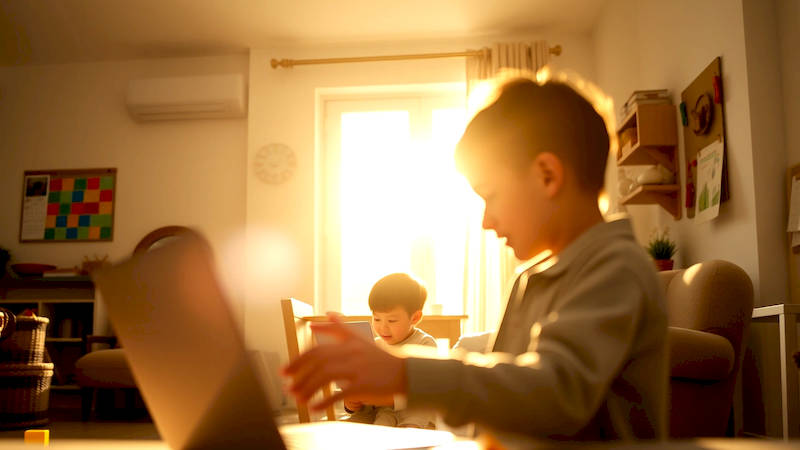
The modern family is a beautiful, chaotic whirlwind of schedules – school, work, extracurriculars, appointments, social events, and everything in between. It’s no wonder many parents feel perpetually overwhelmed, juggling countless responsibilities and battling the constant feeling of dropping balls. According to a 2023 study by the Pew Research Center, nearly 70% of parents surveyed report feeling stressed about managing their family's schedule. This isn’t just about logistical challenges; chronic disorganization contributes to increased stress, familial friction, and a diminished sense of calm within the home. The key to reclaiming control isn’t about doing more, it's about organizing better.
That’s where the family command center comes in. More than just a pretty bulletin board, a well-designed command center acts as the central nervous system of your household, streamlining communication, reducing mental load, and fostering a sense of collaborative family life. It's a designated space where information converges, schedules are visible, and everyone knows what's happening when. It’s about creating a proactive system rather than constantly reacting to the latest emergency or forgotten appointment.
This article will guide you through the process of creating a highly effective family command center, tailored to your family’s unique needs, ultimately fostering a more organized, stress-free, and connected home environment. We'll explore the essential components, layout considerations, digital integrations, and strategies for maintaining its effectiveness long-term.
- Defining Your Family’s Needs & Gathering Supplies
- Choosing the Right Location & Optimizing Layout
- Integrating Digital Tools & Calendar Synchronization
- Establishing Family Routines & Maintaining Consistency
- Personalizing & Adapting the Command Center Over Time
- Conclusion: Reclaiming Control & Strengthening Family Connections
Defining Your Family’s Needs & Gathering Supplies
Before diving into aesthetics or purchasing fancy organizers, the most crucial step is understanding how your family functions. What are the biggest organizational pain points? Is it forgotten appointments, conflicting schedules, lost permission slips, or simply a lack of clarity about who needs to be where and when? Observe your family’s routines for a few days. Take note of what causes the most stress or confusion. Involve everyone in the process – even young children can contribute by choosing a color for their schedule or helping to decorate.
Once you’ve identified the core needs, you can begin gathering supplies. Forget the pressure to create a Pinterest-perfect space. Functionality trumps aesthetics. Essential supplies include a large calendar (wall calendar, whiteboard calendar, or digital calendar displayed on a screen), a bulletin board for important papers and reminders, pen/marker holders, file folders (for ongoing projects or schoolwork), hooks for keys and bags, and storage containers for small items. Consider incorporating a message board for quick notes or a family whiteboard for brainstorming or leaving encouraging messages. Don’t underestimate the power of colorful washi tape for labeling and creating visual separation.
Remember, the command center isn't just about holding things, it’s about conveying information. Think about the visual aspects – clear labels, color-coding, and a logical layout will all contribute to its effectiveness. “A disorganized space equates to a disorganized mind,” explains professional organizer Marie Kondo in her bestselling book, The Life-Changing Magic of Tidying Up. “By decluttering and organizing our surroundings, we’re also decluttering and purifying our lives.”
Choosing the Right Location & Optimizing Layout
Location, location, location. The ideal spot for your family command center is a high-traffic area that’s easily accessible to everyone. This could be the kitchen, entryway, mudroom, or even a dedicated nook in a family room. Avoid locations that are hidden away or easily overlooked. The goal is for it to be a natural focal point for family communication.
Once you've chosen the location, consider the layout. Here's where thoughtful planning is key. Start by grouping similar activities. For example, next to the calendar, include sections for upcoming appointments, school events, and extracurricular activities. A bulletin board can be divided into sections for “To Do,” “Important Reminders,” and “Field Trip Forms.” Think vertically to maximize space. Utilize wall-mounted organizers, shelves, and hanging file folders.
Consider the height of different family members. Ensure younger children can easily reach areas designated for their information. Don’t clutter the space – keep it streamlined and focused. Leaving sufficient white space will prevent it from feeling overwhelming. A case study from the National Association of Productivity and Organizing Professionals (NAPO) found that families who dedicated specific, well-defined zones within their command centers experienced a 30% increase in organization and a 20% reduction in family-related stress.
Integrating Digital Tools & Calendar Synchronization
While a physical command center provides a tangible focal point, integrating digital tools can amplify its effectiveness. The key is seamless synchronization between your physical and digital systems. Most families rely on a shared digital calendar (Google Calendar, Outlook Calendar, Apple Calendar) for scheduling. Ensure this calendar is prominently displayed – either on a tablet or computer screen near the command center, or through a projected display.
Consider using a family communication app like Cozi or OurHome. These apps allow you to create shared lists, assign tasks, coordinate calendars, and send messages – all in one place. They’re especially helpful for keeping track of grocery lists, chores, and after-school activities. Utilize automated reminders to prevent missed appointments or forgotten tasks. “Technology should simplify our lives, not add to the chaos," states productivity expert Tim Ferriss in his book, The 4-Hour Workweek. "Choosing the right digital tools and integrating them into your organizational system is crucial.”
Experiment with different integration methods to find what works best for your family. Some families prefer to print out their digital calendar each week and post it on the bulletin board. Others rely solely on the digital calendar and use the physical command center for reminders and important papers. The ultimate goal is a system that everyone understands and uses consistently.
Establishing Family Routines & Maintaining Consistency
A command center is only as effective as the routines that support it. Schedule regular family calendar reviews – ideally, weekly – to discuss upcoming events, confirm commitments, and identify potential conflicts. Make this a non-negotiable family meeting. Assign responsibility for updating the calendar and managing the command center. Even young children can participate by adding their activities or helping to file papers.
Develop a system for handling incoming papers. Immediately sort through mail, school papers, and other documents as they arrive. File important papers in the designated file folders. Discard unnecessary items immediately. Avoid letting papers pile up – this is a surefire way to create clutter and overwhelm. Create a “launchpad” near the command center for items that need to go out the door – backpacks, sports equipment, library books, etc.
Consistency is paramount. If the command center falls into disuse, it will quickly become another source of stress rather than a tool for organization. Encourage everyone to actively participate in the system. Celebrate small successes and be patient with setbacks. “Building habits takes time and effort,” writes James Clear in Atomic Habits. “Focus on making small, incremental changes over time, and you’ll eventually achieve significant results.”
Personalizing & Adapting the Command Center Over Time
Your family’s needs will evolve over time, so your command center should too. Don’t be afraid to experiment with different layouts, organizational tools, and digital integrations. What works for your family when your children are in elementary school may not be the best solution when they’re teenagers. Regularly assess the effectiveness of your system and make adjustments as needed.
Personalize the space to make it inviting and inspiring. Add family photos, artwork, or inspirational quotes. Choose colors and materials that reflect your family’s style. The command center should be a place where everyone feels comfortable and motivated to stay organized. Consider creating seasonal themes or rotating artwork to keep the space fresh and engaging.
Don't strive for perfection. The goal isn’t to create a flawless, Instagram-worthy space, but to create a functional system that reduces stress and improves family communication. Embrace imperfection and focus on progress, not perfection.
Conclusion: Reclaiming Control & Strengthening Family Connections
Creating a family command center is an investment in your family’s well-being. It’s about more than just organizing schedules and managing tasks; it's about creating a calm, coordinated home environment where everyone feels supported and connected. By defining your family’s needs, choosing the right location, integrating digital tools, establishing routines, and adapting the system over time, you can reclaim control of your family’s schedule and reduce the daily stress that often comes with modern family life.
The key takeaways are to prioritize functionality over aesthetics, involve everyone in the process, and maintain consistency. Actionable next steps include dedicating a specific time this week to assess your family’s organizational pain points, gathering necessary supplies, and designating a location for your command center. Remember, small changes can lead to significant improvements in your family’s overall well-being. Embrace the power of organization and create a family hub that fosters a more organized, stress-free, and connected home.
Deja una respuesta