
Building Communication Skills in Non-Verbal Children
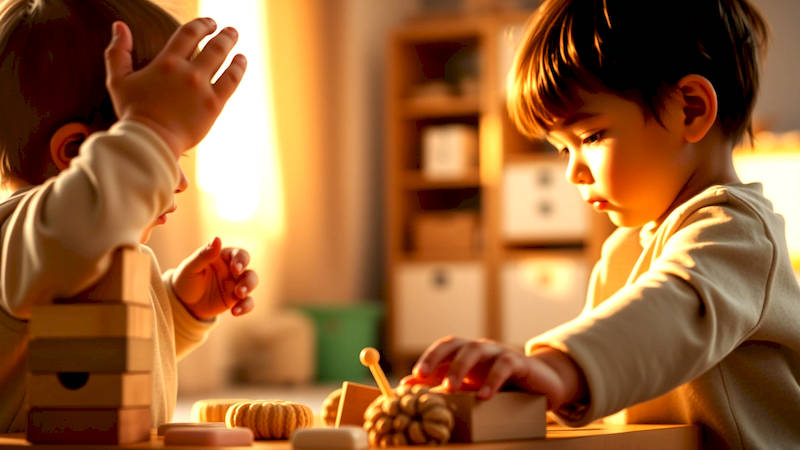
Communication is the cornerstone of human connection, and for children, it’s fundamental to their emotional, social, and cognitive development. While many children acquire language naturally, a significant number face challenges in developing verbal communication skills. These children, often described as non-verbal, aren’t necessarily lacking in thought or feeling; they simply express themselves differently. Understanding how to nurture their inherent communicative abilities is paramount for their well-being and future success. This article delves into the multifaceted world of non-verbal communication, offering practical strategies and insights for parents and caregivers to help these children flourish.
The label “non-verbal” encompasses a wide spectrum of abilities and challenges. It can range from a temporary delay in speech development to more significant conditions like autism spectrum disorder, cerebral palsy, or apraxia of speech. Recognizing the underlying cause is crucial for tailoring interventions, but regardless of the diagnosis, the core principle remains the same: focus on facilitating all forms of communication, not just spoken language. This proactive approach empowers children to connect with the world around them, reducing frustration and fostering a sense of agency. The goal isn’t necessarily to make a child verbal, but to provide them with effective means of expression that meet their individual needs and allow them to participate fully in life.
This guide provides a detailed exploration of techniques and strategies, emphasizing early intervention and fostering a supportive communication environment. It aims to equip parents and caregivers with the tools needed to build these vital “bridges” to connection, recognizing that every child’s journey is unique.
- Understanding the Landscape of Non-Verbal Communication
- Augmentative and Alternative Communication (AAC): Expanding Expressive Options
- Creating a Communication-Rich Environment
- The Power of Play: Facilitating Communication Through Interaction
- Collaboration and Support: Building a Team Around the Child
- Addressing Frustration and Managing Challenging Behaviors
Understanding the Landscape of Non-Verbal Communication
Non-verbal communication is far more than just the absence of spoken words. It encompasses a rich tapestry of cues and signals, including gestures, facial expressions, body language, eye gaze, and even vocalizations that aren’t words. For children struggling with verbal communication, these non-verbal channels become especially significant – often representing their primary means of expression. Understanding these subtleties is the first step towards effective interaction. Observing a child's attempt to communicate, even if it seems unconventional, is key to decoding their message.
Many non-verbal children demonstrate a strong ability to understand language, even if they struggle to express themselves verbally. This receptive language proficiency is a valuable asset to build upon. Parents may find their child follows instructions, recognizes familiar objects, and responds to simple questions, demonstrating an understanding that far exceeds their expressive abilities. Ignoring this understanding and solely focusing on speech production can be disheartening for the child and hinder progress. Instead, acknowledging their comprehension and providing opportunities for them to respond non-verbally encourages engagement and validates their attempts to communicate.
Recognizing the different forms of non-verbal communication also requires remembering that these cues can vary culturally. What constitutes appropriate eye contact or personal space differs greatly depending on background. A truly child-centered approach involves learning that child’s unique communication style, rather than imposing expectations based on general norms. Acknowledging and respecting these individual differences is vital in building trust and rapport.
Augmentative and Alternative Communication (AAC): Expanding Expressive Options
Augmentative and Alternative Communication (AAC) encompasses a wide range of tools and strategies designed to supplement or replace spoken language. Contrary to some misconceptions, AAC doesn't hinder speech development; it provides a means for communication while speech is developing, and can even facilitate speech emergence in some cases. The selection of an appropriate AAC system depends on the child’s cognitive abilities, motor skills, and communication needs. There's no one-size-fits-all solution, and a thorough assessment by a speech-language pathologist is essential.
Low-tech AAC options include picture exchange systems (PECS), where a child hands over a picture to request an item or activity. PECS is often used as an early intervention strategy, helping children understand the concept of symbolic communication. Another low-tech option involves communication boards featuring pictures, symbols, or words representing common needs and requests. These boards can be customized to reflect the child’s daily routines and preferences. High-tech AAC options include speech-generating devices (SGDs), which digitally produce speech when activated, and apps for tablets or smartphones that offer similar functionality.
The key to successful AAC implementation is consistent use and integration into the child’s daily life. It’s not enough to introduce the system during therapy sessions; it needs to be readily available and used by everyone who interacts with the child – parents, caregivers, teachers, and siblings. For example, if a child uses PECS to request a snack, the caregiver should consistently respond to the request and provide the snack, reinforcing the link between communication and outcome. As quoted by speech-language pathologist Carol Westby, "AAC is not about giving a child a tool, it’s about giving a child a voice."
Creating a Communication-Rich Environment
A communication-rich environment intentionally fosters opportunities for interaction and expression. This isn’t about forcing communication, but rather shaping the environment to naturally encourage it. This involves modeling communication yourself, responding to all attempts at communication (even non-verbal attempts), and creating predictable routines. Spent time narrating your own actions and thoughts (“I'm getting your shoes because we are going to the park") helps to build awareness of language and how it's used to express ideas.
Active listening is a crucial component of a communication-rich environment. This means giving the child your full attention, making eye contact (if comfortable for them), and responding to their cues. It also involves using “self-talk,” verbalizing your own thoughts and intentions to model communication. For example, instead of silently handing a child a toy, say, "I see you looking at the car. Here it is!" Creating opportunities where the child has a clear choice – “Do you want juice or water?” – encourages them to initiate communication, even if it's just pointing or looking at the preferred option.
Avoiding excessive questioning is also important. A barrage of questions can be overwhelming and discourage communication. Instead, focus on making observations and offering choices. According to research from the National Autistic Society, consistently following the child's lead in play and conversation can encourage communication more effectively than direct questioning. The environment should become a space where communication feels safe, natural, and rewarding.
The Power of Play: Facilitating Communication Through Interaction
Play provides a natural and engaging context for fostering communication skills. Children are often more motivated to communicate during play, as it’s intrinsically enjoyable and purposeful. Different types of play offer unique opportunities for communication development. Dramatic play allows children to practice social interactions and role-play different scenarios. Building with blocks or engaging in art activities provide opportunities for requesting materials, describing actions, and sharing creations.
Focus on following the child’s lead during play. Let them choose the activity and guide the interaction. Instead of imposing your own agenda, observe their interests and join in their world. This approach, often called “child-directed interaction,” creates a more relaxed and motivating environment for communication. For example, if a child is building a tower with blocks, you might comment on their creation ("That's a very tall tower!") or offer assistance ("Do you want me to get you another block?").
Incorporating AAC into play is also highly effective. If a child uses PECS, you can use pictures to label the toys or objects involved in the play. If they have a speech-generating device, you can program it with phrases related to the play activity. This helps to integrate communication into a meaningful and motivating context, making it more likely to occur. Remember, the goal isn't to turn play into a therapy session, but to use play as a vehicle for communication.
Collaboration and Support: Building a Team Around the Child
Supporting a non-verbal child is a collaborative effort that requires a strong team approach. This team typically includes parents, speech-language pathologists, occupational therapists, educators, and other professionals who can provide specialized support. Open communication and consistent collaboration are essential to ensure that everyone is working towards the same goals and using consistent strategies.
Regular meetings with the speech-language pathologist are crucial for monitoring progress, adjusting interventions, and addressing any challenges. Parents should actively participate in these meetings, sharing their observations and concerns. It’s also important to advocate for the child’s needs in educational settings, ensuring that they have access to appropriate accommodations and support services. An Individualized Education Program (IEP) is often developed to outline specific goals and strategies for supporting the child’s communication development in school.
Beyond professional support, connecting with other families who have children with similar challenges can provide invaluable emotional support and practical advice. Support groups, online forums, and local organizations can offer a sense of community and shared understanding. Remember, you are not alone, and there is a wealth of resources available to help you navigate this journey.
Addressing Frustration and Managing Challenging Behaviors
Non-verbal children can experience significant frustration when they are unable to express their needs and desires. This frustration can often manifest as challenging behaviors, such as tantrums, aggression, or withdrawal. It's vitally important to understand that these behaviors are often a form of communication – an attempt to signal distress or unmet needs. Addressing the underlying frustration, rather than simply suppressing the behavior, is key to promoting positive change.
Proactive strategies can help to prevent frustration from escalating. Creating predictable routines, providing visual supports, and offering choices can all reduce anxiety and increase a child’s sense of control. Teaching the child alternative ways to communicate their needs, such as using PECS or a speech-generating device, can also empower them to express themselves effectively. When frustration does arise, remain calm and supportive. Validate the child’s feelings (“I see you’re upset”) and offer assistance (“Let's try to figure out what’s wrong”).
It's also important to be mindful of sensory sensitivities. Many non-verbal children have sensory processing differences that can contribute to frustration and behavioral challenges. Creating a sensory-friendly environment, minimizing distractions, and providing opportunities for sensory input can help to regulate their nervous system and reduce stress. Consulting with an occupational therapist can provide valuable insights into the child’s sensory profile and develop strategies for addressing sensory sensitivities.
In conclusion, building communication skills in non-verbal children is a journey that requires patience, understanding, and a dedicated team approach. It’s about recognizing and valuing all forms of communication, providing appropriate tools and support, and creating an environment that fosters connection and expression. By embracing a child's unique communication style, prioritizing their agency, and advocating for their needs, we can empower them to thrive and participate fully in the world around them. Remember that even small steps towards communication are significant victories, and every child has the potential to connect, learn, and grow. The key is to build those bridges, one connection at a time.
Deja una respuesta